Assessing your solar needs is a critical first step in the journey toward adopting solar energy. This process involves a comprehensive evaluation of several key factors that will guide the selection and installation of a solar system tailored to your specific requirements. A thorough assessment ensures that your solar investment is optimally efficient and financially sound.
First, consider your energy consumption. Examine your recent electricity bills to determine your average monthly and annual energy usage. This data provides a baseline to estimate the size and capacity of the solar system you will need. For households or businesses with plans to expand or incorporate new energy-consuming technology, future energy needs should also be projected to ensure your solar setup remains adequate over time.
The second factor to evaluate is the physical feasibility of solar panel installation on your property. This involves analyzing the available space, typically rooftops or open land, ensuring there is enough suitable area to accommodate the solar panels necessary to meet your energy goals. It’s vital to assess structural conditions and potential shading from trees or nearby buildings, as these can significantly impact solar panel efficiency.
Geographic location and local climate also play pivotal roles in determining solar needs. Regions with abundant sunshine throughout the year are ideal candidates for solar power, while areas with less sunlight may require larger or more efficient panels to achieve the same energy output. Utilize solar maps and tools that estimate solar potential in your specific area, which can help refine expectations and planning.
Additionally, understand the various incentives, rebates, and financing options available in your region that can affect the cost-effectiveness of your investment in solar energy. Some areas offer substantial subsidies or tax credits that can reduce upfront costs or provide financial returns on your investment more quickly. Familiarize yourself with local regulations, as zoning laws and utility company policies can influence both installation and operational considerations.
Finally, determine your primary goals for going solar. Is your primary motivation environmental, seeking to reduce your carbon footprint? Or are you focused on achieving financial savings over the long term? Establishing clear objectives will influence not only the technical aspects of the system you choose but also how you evaluate and perceive the benefits of your investment.
| Energy Considerations | Impact |
| Average Monthly Energy Usage | Determines the size of the solar system |
| Future Energy Needs | Ensures scalability and long-term efficiency |
| Physical Space and Structure | Affects installation and panel layout possibilities |
| Local Climate and Sunlight | Impacts energy production capabilities |
| Incentives and Regulations | Influences financial viability and compliance |
| Personal Objectives | Guides system choice and expected outcomes |
Tackling these assessment factors with a well-rounded approach sets the stage for a successful solar installation, steered by calculated decisions grounded in the specific context of your energy goals and property characteristics.
selecting the right solar panels
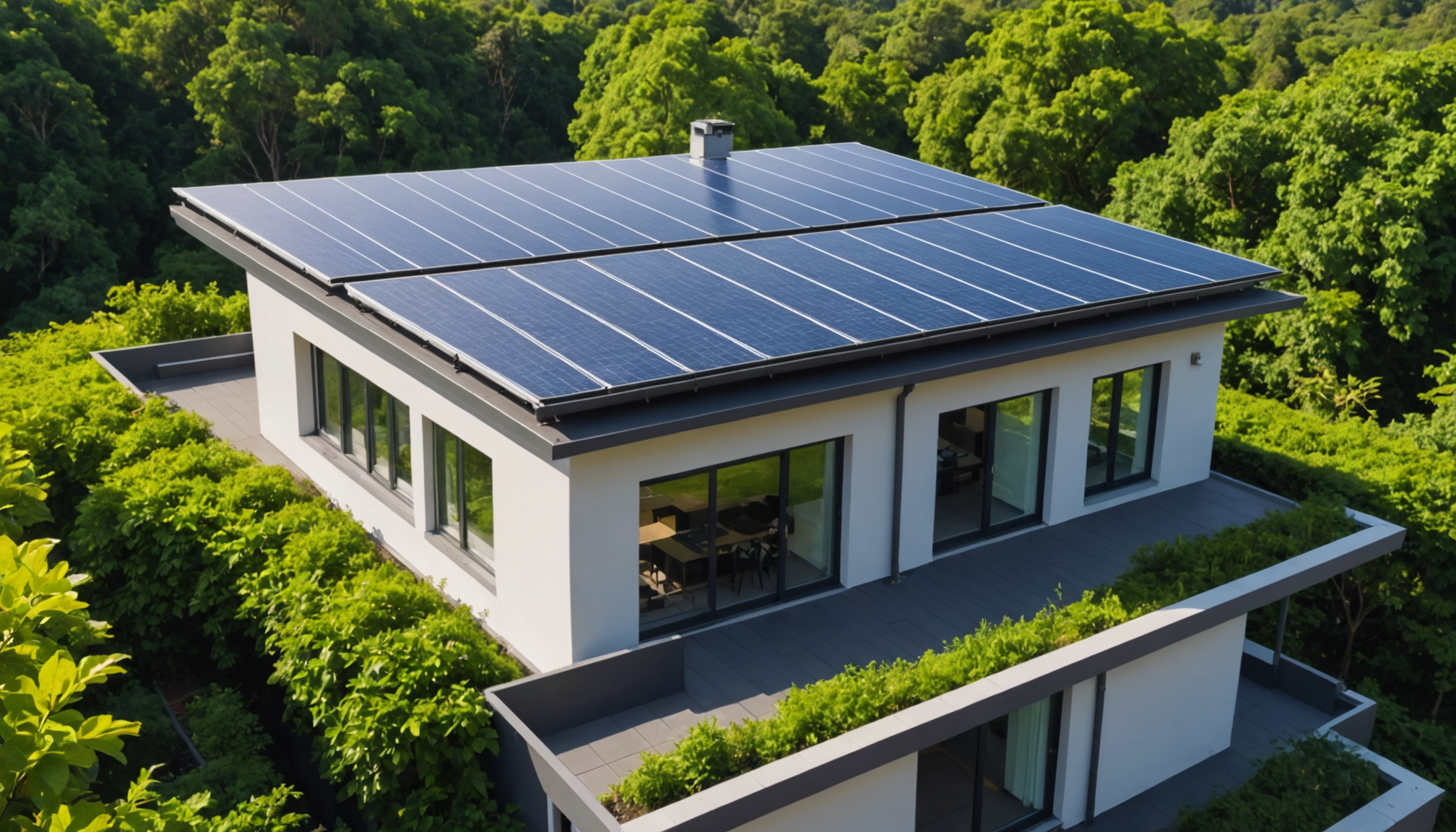 When it comes to choosing solar panels for your installation, the process involves understanding various factors and making decisions tailored to both your energy needs and your budgetary constraints. The right panels can significantly affect the overall efficiency and cost-effectiveness of your solar investment. Here’s a step-by-step guide to help you select the appropriate solar panels:
- Research Panel Types and Technologies: The market offers various types of solar panels, primarily distinguished by their production technologies. They include:
- Monocrystalline panels: Known for high efficiency and sleek appearance, they are often priced higher but offer better performance in limited spaces.
- Polycrystalline panels: Generally more affordable with marginally lower efficiency than monocrystalline, suitable for large installations where space is less of a constraint.
- Thin-film panels: Lightweight and flexible, these have lower efficiency but can be advantageous for unique applications needing aesthetics or weight considerations.
Evaluate the options in the context of your specific goals, available space, and budget.
- Assess Efficiency Ratings and Performance: Solar panel efficiency—the percentage of sunlight converted into usable electricity—varies across models. Higher efficiency panels allow for more energy production from a smaller area, which is crucial if your space is limited. Also, consider the panels’ performance in low-light conditions and temperature coefficients, which indicate how they handle hotter climates.
- Review Warranty and Durability: Solar panels are a long-term investment. Reviewing warranty periods for both the product and performance can provide insight into a panel’s durability and quality. Typical warranties range from 10 to 25 years. The performance warranty indicates the expected efficiency deterioration; for instance, a panel might guarantee 80% efficiency after 25 years.
- Determine Power Output Needs: Based on your electricity consumption calculated during the solar needs assessment, determine the total power output required from your solar installation. This will guide the number of panels needed as well as influence the choice of panels based on their power output ratings. Consider potential future expansions and choose panels that will scale easily with your growing needs.
- Evaluate Cost-Effectiveness: Conduct a cost vs. performance analysis. While cheaper panels may seem attractive initially, high-efficiency or higher-cost panels might offer better long-term savings through increased energy production. Factor in potential savings from reduced energy bills and available incentives.
- Environment and Aesthetic Preferences: Consider the environmental impact of your choice. Some panels are manufactured using less environmentally friendly processes. Additionally, if appearance is a priority, explore panel designs in varying colors and sleekness to match your architectural style.
By carefully analyzing these aspects, you can choose solar panels that fit seamlessly with your energy goals and property constraints, ensuring an efficient and economically viable solar energy system.
understanding the installation process
Once you’ve selected the right solar panels, it’s essential to understand the complete installation process to ensure everything goes smoothly. This knowledge will not only prepare you for what’s to come but also help you navigate any potential issues that might arise during the installation.
The process usually starts with a site assessment, conducted by a professional installer. During this phase, the installer will thoroughly examine your property, taking into account the roof structure, orientation, and shading issues. They will evaluate the best placement for the solar panels to maximize sunlight exposure, which is crucial for optimal energy production. Additionally, they will check for any structural upgrades your roof might need to support the panels.
Following the assessment, you’ll undergo the permitting and approval phase. The installer will typically handle the submission of necessary permits and applications to your local municipality or relevant authorities. These permits are vital to ensure that your solar installation complies with local building codes and regulations. The time required for this step varies by location, but having an experienced solar provider can expedite the process.
Once permits are granted, the installation team can move forward with the actual installation. This step involves mounting racks and panels on your roof or chosen site, followed by connecting the panels to your inverter and, finally, to your electrical panel. The inverter is a crucial component as it converts the direct current (DC) generated by your panels into alternating current (AC) used by your home. Depending on the system’s complexity and the installation team’s efficiency, the physical installation could take a few days.
After the panels are installed and connected, the system will need to undergo an inspection and testing phase. Local inspectors visit your property to review the installation, ensuring that it meets all safety and zoning regulations. The installer will also test the system to confirm it functions correctly and meets the expected energy production levels.
The final phase involves interconnection and activation. Your solar provider will handle coordination with your utility company to ensure proper integration with the grid. This step is essential because it allows any excess energy your system generates to be fed back into the grid, a process typically known as net metering. Once the utility provides the approval, which can take from a few days to a few weeks, you can officially start producing solar energy.
Understanding each step of the solar installation process offers peace of mind and ensures you feel confident every inch of the way. Being informed allows you to engage actively with installers, ask pertinent questions, and ultimately enjoy a system that meets your energy needs efficiently and sustainably.
evaluating costs and savings
Determining the financial implications of installing solar panels involves a multi-faceted approach that considers initial investment costs, potential savings, and available financial incentives. To accurately predict the financial benefits, it’s crucial to start by gathering detailed quotes from several solar providers. These should outline the costs of the panels, inverters, racks, installation labor, and additional components like battery storage if you’re opting for an off-grid or hybrid system.
Once you have a clear understanding of upfront costs, consider exploring available financial incentives. Many regions provide rebates, tax credits, and grants aimed at reducing the initial expenditure for solar installations. The federal Investment Tax Credit (ITC), for instance, offers a substantial deduction on federal taxes for a percentage of the installation cost. State and local incentives can further alleviate financial burdens, potentially yielding significant savings. Exploring these opportunities is a key step in understanding the true cost of your solar system.
Transitioning to the savings component, it’s essential to evaluate how much your solar installation will reduce your electricity bill. Start by analyzing your historical electricity usage and consider how the proposed solar system size corresponds to this demand. The greater the portion of energy needs covered by solar power, the more significant the savings on your utility bill. Also, factoring potential utility rate increases into your future savings calculations can provide a more comprehensive picture of long-term benefits.
Net metering policies play a pivotal role in evaluating savings. These policies, where available, allow you to earn credits for excess energy your solar system sends back to the grid. Understanding your local utility’s net metering rates and terms is crucial, as they directly impact the value of excess energy generated.
Long-term savings are also influenced by the expected lifespan of the solar panels and the maintenance requirements. High-quality panels typically have warranties ranging from 20 to 30 years, during which they may produce sufficient energy savings to offset their initial costs multiple times over. Maintenance generally involves minimal costs, predominantly cleaning and occasional inspections to ensure optimal performance.
Lastly, consider conducting a cost-benefit analysis that compares the initial investment against projected savings and incremental costs. This analysis can offer valuable insight into the payback period and return on investment (ROI) for your solar system, empowering you to make decisions that align with your financial goals and sustainability targets.
Keeping these financial aspects in mind will enable you to navigate the cost and savings landscape of solar installation confidently, preparing you to pinpoint the best economic path forward for your renewable energy ambitions.
maintenance and long-term care
Once your solar installation is up and running, ensuring its longevity and efficiency requires regular care and attention. The good news is that solar panels generally demand relatively low maintenance, yet consistent preventive measures can significantly extend their lifespan and optimize energy production.
A fundamental aspect of maintenance involves routine cleaning. Dust, leaves, bird droppings, and other debris can accumulate on the panels, reducing their efficiency by blocking sunlight. Depending on your local environment, you may need to clean the panels every few months. In areas with frequent rain, natural cleaning might suffice, but in arid regions, more frequent manual cleaning or professional services may be necessary to maintain peak performance.
Monitoring solar panel performance is another crucial measure in long-term care. Many solar systems come with monitoring apps or interfaces that allow you to track production levels in real time. Any unexpected drop in energy output could indicate panel issues, shading from new obstructions, or equipment failures, prompting immediate investigation and resolution. Early detection of problems can prevent more significant efficiency losses and expensive repairs.
Regular professional inspections also play an integral role in solar maintenance. Having a certified technician check your system, typically every few years, ensures that all components, including inverters, wiring, and mounting structures, remain in good condition. Inspectors can identify potential issues such as loose connections or corrosion before they escalate into major repairs.
Inverters, a key part of the solar system, often have shorter lifespans than the panels themselves, typically around 10 to 15 years. Planning for eventual inverter replacement is crucial for uninterrupted energy production. Understanding warranty terms and keeping service records can ease this process and potentially reduce costs.
Protecting your solar investment from environmental challenges such as storms, heavy snowfall, or hail is also essential. Consider investing in protective measures like snow guards or covers if you reside in an area prone to severe weather. These precautions can prevent physical damage that might not be covered by warranties.
Overall, a proactive maintenance strategy, coupled with an understanding of your system’s specific needs, will enhance your solar panels’ efficiency and longevity. Staying informed and engaged with your solar provider helps ensure you achieve the maximal environmental and financial benefits from your installation well into the future.
In conclusion, transitioning to solar energy involves various stages, starting with assessing your energy needs, choosing the right equipment, understanding the installation steps, and calculating costs alongside potential savings. By staying attentive to ongoing maintenance and care, you pave the way for a sustainable future, enhancing both the longevity and efficiency of your solar setup. With the appropriate planning and commitment, solar energy can offer substantial ecological and economic advantages for years to come.