Undertaking a house painting project requires careful planning and consideration of various factors to ensure successful outcomes. Before picking up a brush or hiring a professional, it is crucial to assess specific elements that will influence the painting process and final results. This evaluation is key not only to achieving aesthetic satisfaction but also to maintaining practical and financial efficiency.
One primary factor to consider is the scope of the project. Determine whether you are looking to paint a single room, an entire interior, or the exterior of your home. Each project scope requires different levels of effort, time, and technique. Small rooms or accent walls might be manageable for a DIY approach, whereas extensive exteriors could be better suited for professional intervention.
The condition of the surfaces also plays a pivotal role. Identify if there are any cracks, holes, or other imperfections that need attention before applying paint. Surfaces in poor condition may require additional preparation work such as sanding, patching, or priming, which can extend the timeline and complexity of the project.
The choice of paint type and color is another significant consideration. Different rooms might require specific types of paint, for example, high-moisture areas like bathrooms and kitchens would benefit from mildew-resistant paint. Additionally, colors can have emotional and spatial impacts; warm tones can create a cozy atmosphere, while light colors can make a room feel larger.
Weather is a critical factor, especially for exterior painting projects. Ideal conditions usually consist of mild temperatures and low humidity. Painting in unsuitable weather can cause the paint to dry too quickly or slowly, affecting the finish and durability. It’s advisable to check weather forecasts and plan accordingly.
Moreover, evaluating your personal skill level and availability is essential when deciding to undertake a painting project. Honest self-assessment of your painting skills can prevent mishaps and subpar results. Additionally, consider the time you can dedicate to the project; larger jobs completed in spare time can extend over several days or weeks, potentially disrupting daily life and home order.
For a successful painting project, these factors must be weighed alongside a clear understanding of your goals and limits. Here’s a comparison table that summarizes key considerations for internal review:
| Factor | Considerations |
| Scope of Project | Single room vs. entire home; interior vs. exterior. |
| Condition of Surfaces | Necessity for repair and preparation work. |
| Paint Type and Color | Specific needs for different rooms and desired aesthetic impact. |
| Weather Conditions | Plan around mild temperatures and low humidity for exteriors. |
| Personal Skill and Availability | Self-assessment of painting skills and dedication of time. |
Balancing these factors can help you make informed decisions, whether choosing to embark on a DIY project or hire a professional to ensure a high-quality finish. Each element here is interrelated, and understanding their interplay can lead to a more satisfying and cost-effective painting process.
tools and materials you need
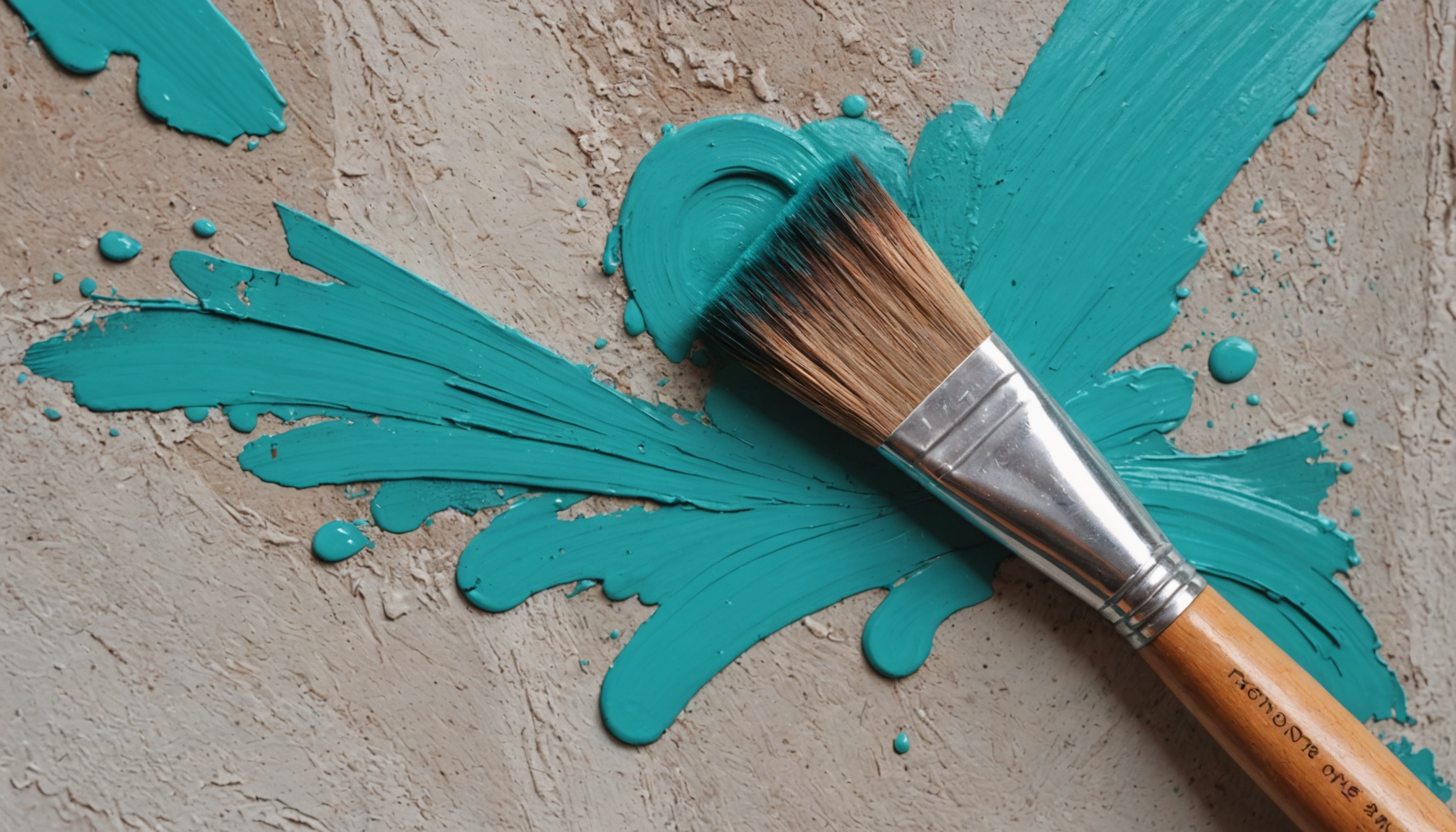 To successfully undertake a painting project, having the right tools and materials is essential. A well-prepared toolkit not only makes the task more efficient but also impacts the quality of the finish. Here’s a comprehensive guide to ensure you’re equipped for a painting project:
- Paint Brushes and Rollers:
- Brushes: Acquire a variety of brushes for different tasks. A 2-inch angled brush is ideal for cutting in and corners, while smaller, detail brushes work well for intricate areas.
- Rollers: Choose rollers based on the texture of the surface. A roller with a nap (thickness) of ¼-inch to ⅜-inch is suitable for smooth surfaces, while ½-inch to ¾-inch nap rollers are better for textured walls.
- Paint Trays and Liners:
- Invest in quality paint trays that are sturdy and easy to clean. Use disposable tray liners for convenience and to ensure colors don’t mix.
- Painter’s Tape:
- This is crucial for protecting edges, moldings, and avoiding unwanted paint marks. Opt for high-quality tape designed for your specific wall type to prevent paint bleed-through.
- Drop Cloths:
- Protect your floors and furniture with canvas or plastic drop cloths. Canvas is more durable and less slippery, while plastic is suitable for single-use projects.
- Sandpaper and Scrapers:
- Use sandpaper to smooth out any rough surfaces and remove old paint or finish. Scrapers are essential for removing flaking paint or wallpaper remnants.
- Putty Knife and Spackle:
- A putty knife, combined with spackle, is used to fill holes and cracks. Choose a flexible knife for small repairs and a rigid one for wider applications.
- Primer:
- Applying a primer before painting can ensure better adhesion, a more vibrant color finish, and increased paint durability. Select a primer based on your surface type and the paint you plan to use.
- Ladder:
- For ceiling work or higher wall areas, a sturdy ladder is essential. Ensure it is height-appropriate and has safety features like a locking mechanism.
- Paint Can Opener and Stir Sticks:
- A dedicated paint can opener is a handy tool for efficiently opening paint cans without damaging the lids. Stir sticks are necessary for thoroughly mixing paint to ensure uniform consistency.
- Cleaning Supplies:
- Have a bucket, sponge, and cleaning solution on hand to quickly address any spills or stains. Clean brushes and rollers immediately after use to prolong their lifespan.
Having these tools and materials readily available sets the foundation for a smooth painting process. This preparation allows you to focus on the painting itself, ensuring a professional-looking result whether you’re tackling a simple refresh or an extensive overhaul.
projects suited for DIY
When considering which painting projects are manageable as do-it-yourself tasks, there are several important aspects to remember. Firstly, small scale projects are ideally suited for DIY enthusiasts. Painting a single room, such as a bedroom or a small bathroom, is often manageable due to the limited wall space and fewer variables to control. This allows for easier preparation and quicker completion, making it an excellent task for those with limited painting experience.
Accent walls are another popular choice for DIY projects. They provide an opportunity to add a splash of color or a unique design element to a room without the need to commit to painting a larger area. This project’s limited scope offers homeowners the chance to experiment with bold colors or finishes they might hesitate to use in larger spaces.
Furniture and small items renovation is another category that suits a DIY approach well. These projects are generally less intimidating and afford greater control over the painting process. With just a few essentials—like quality paint, sandpaper, and brushes—enthusiasts can breathe new life into old furniture, creating customized pieces with personal flair. Additionally, these projects can be completed within a shorter time frame, which is appealing for those looking to see quick results from their efforts.
For exteriors, simple tasks like painting a fence, a mailbox, or shutters are feasible DIY endeavors. These projects are smaller and less complex than painting an entire house exterior and can usually be done using standard tools and materials. Given that these often have simpler surface structures, such projects present fewer challenges regarding preparation and execution.
Indeed, another significant factor is the state of the surface to be painted. Surfaces that are in relatively good condition and require minimal preparation or repairs are best suited for DIY painting. When surfaces are in good repair, with minor imperfections, tackling these projects requires less labor-intensive preparation, allowing the DIY painter to focus more on application technique and achieving a professional finish.
Furthermore, areas less visible or secondary spaces, such as garages or basements, provide a lower-stakes environment to hone one’s painting skills. Not only can homeowners make practical improvements, but they can also experiment with new techniques or colors, improving their confidence and competence without the pressure of high-stakes outcomes.
In conclusion, DIY painting projects work well for those looking to undertake smaller, less complex tasks, enabling the home decorator to enjoy the process and results without the involvement of professionals. This approach encourages creative expression, provides an opportunity to learn new skills, and often results in a rewarding sense of personal achievement. By strategically selecting projects with consideration to these factors, homeowners can reap the benefits of DIY endeavors while ensuring a successful and satisfying outcome.
benefits of hiring a professional painter
Opting to hire a professional painter comes with a host of advantages that can make the investment worthwhile, especially for those tackling larger or more complex projects. One of the most significant benefits is the level of expertise that professional painters bring to the table. With their extensive experience, they possess a keen eye for detail and advanced skills in applying paint efficiently and effectively, which often means achieving a flawless finish that’s difficult for amateurs to replicate.
Professional painters are well-versed in preparing different surface types, ensuring they address imperfections such as cracks or crevices that might otherwise compromise the final outcome. They are equipped with the knowledge to select suitable primers and paints that best suit the environmental conditions and the surfaces being painted. This expertise can be invaluable, particularly for intricate projects where the quality of the preparation phase determines the longevity and appearance of the paint job.
Another advantage of hiring professionals is their ability to manage large-scale projects or those requiring specialized techniques. For example, if your project involves high ceilings, intricate designs, or challenging spaces, professional painters possess the necessary equipment and safety measures to handle these aspects efficiently and safely. This not only alleviates potential risk but also ensures each part of your project is executed to a high standard.
Time efficiency is a significant factor that makes hiring a professional appealing. Painting can be a time-consuming endeavor, especially if attempted as a weekend DIY project, but professional painters can significantly reduce the turnaround time due to their experience and streamlined methods. This means less disruption to your daily routine and quicker enjoyment of your newly painted space.
Furthermore, one cannot overlook the peace of mind that comes from knowing a job is being handled by someone who guarantees their workmanship. Many professional painters offer warranties and are insured, which is a substantial benefit in the case of any damages or issues that might arise during the project. This assurance can alleviate stress and ensure that if something doesn’t go as planned, you are not solely responsible for rectifying it.
Professional painters also stay updated with current trends and technologies in the painting industry, which can be a great asset if you’re looking for modern finishes or innovative techniques. They can offer advice on color choices and finishes, helping you select options that complement your home’s decor and architecture. This consultative approach ensures that the final result not only meets but often exceeds expectations.
In short, while DIY painting projects can offer a sense of accomplishment and cost savings for simpler tasks, professional painters provide expertise, efficiency, and a level of completion that is often unmatched, particularly for more demanding assignments. Engaging their services results in a high-quality finish while freeing up your time and effort. When evaluating your specific needs, consider these benefits to determine if a professional painter is the right choice for your project.
calculating cost and time efficiency
When deciding between a DIY painting project and hiring a professional, understanding and calculating the cost and time efficiency is critical. Doing so can lead to more informed decisions that align with both your budgetary constraints and desired outcomes.
Firstly, a comprehensive assessment of the necessary materials and their costs is needed. DIY projects can appear less expensive initially; however, purchasing all the required supplies, from brushes and rollers to paints and primers, can add up quickly. It’s essential to compare these costs with the estimates provided by professional painters, who typically include materials in their pricing and might have access to trade discounts.
Additionally, one must consider the value of time. For a DIY project, the hours you spend preparing and painting can be quite significant, especially if only working during weekends or evenings. Professionals, experienced in efficient painting techniques, usually complete projects more swiftly, which not only minimizes disruption but also reduces the time your home is in a state of disarray.
The complexity of the project should also guide the decision. More intricate tasks, such as exterior painting or working in hard-to-reach areas, can be exceedingly time-consuming and may require specialized tools or safety equipment. In such cases, calculating the potential personal time saved by hiring a professional can highlight the cost-effectiveness of their services.
Quality is another aspect where professional painters often have an edge. The possibility of needing to redo a DIY paint job due to inadequate preparation or application can lead to additional costs and frustration. Here, calculating the potential savings of a first-time right professional finish becomes a critical part of the equation.
Finally, while it’s tempting to focus on immediate costs, consider the long-term impact and durability of the paintwork. A professional finish can last longer and better withstand the test of time and the elements, thereby possibly offsetting higher initial costs through longevity and reduced maintenance.
In conclusion, whether you choose DIY or hire a painter, weighing each option’s financial and temporal implications can guide you to a choice that best suits your needs. By carefully assessing these factors, you can achieve a balance of quality, efficiency, and cost, ensuring your painting project delivers lasting satisfaction.