Recognizing the signs that your windows need replacing is crucial for maintaining the comfort, appearance, and efficiency of your home. Windows are not merely aesthetic features; they play a vital role in insulation, security, and energy savings. Over time, wear and tear, weather changes, and aging can degrade their functionality. Here are some key indicators that it may be time to consider replacing your old windows:
- Drafts and Air Leaks: If you feel a draft when you are near a window, it is a strong sign that there are air leaks. These gaps can significantly impact your home’s energy efficiency by allowing cold air in during the winter and letting warm air escape in the summer. Such inefficiencies require your HVAC system to work harder, driving up energy costs.
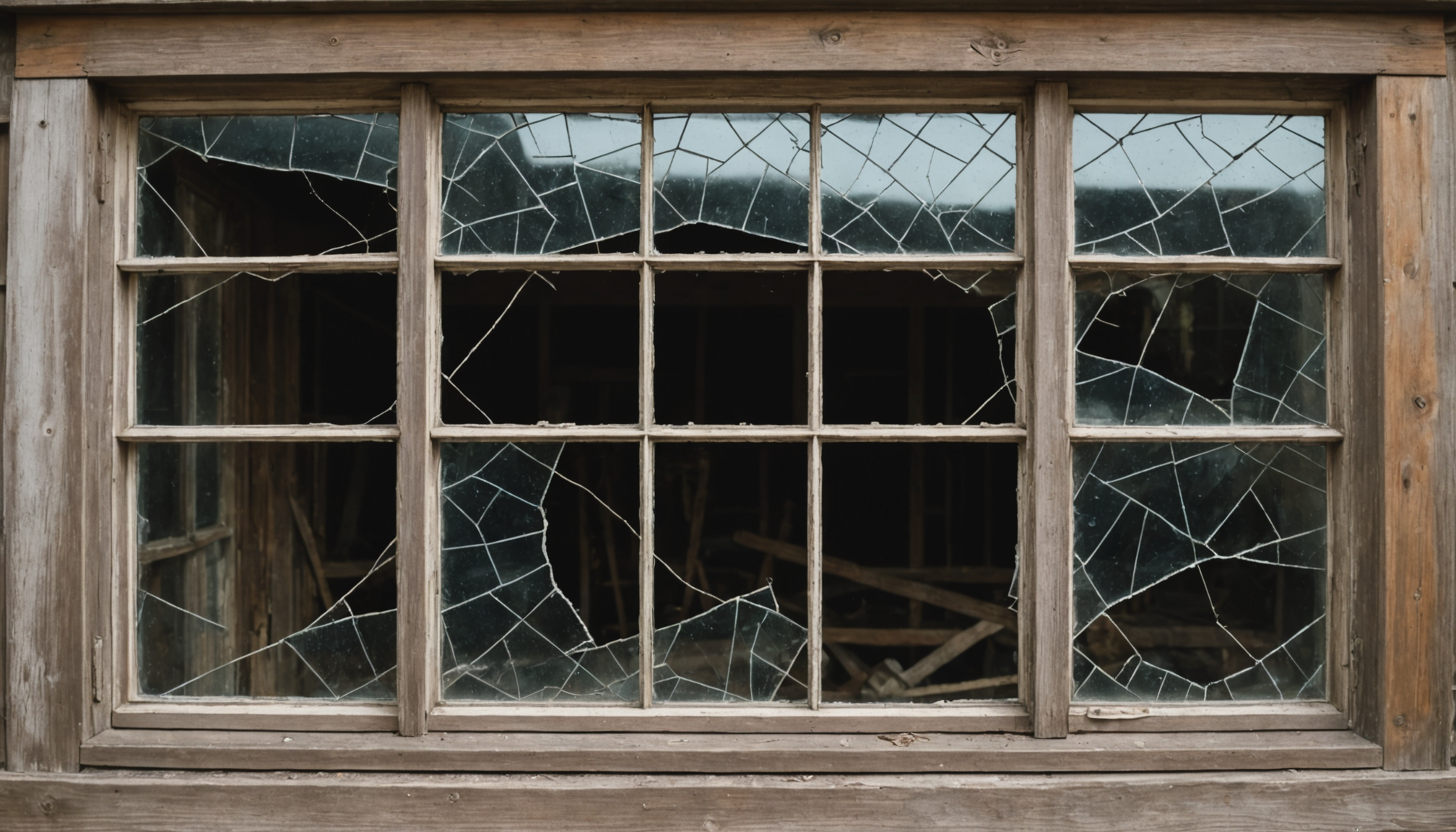
- Visible Damage or Decay: Check for signs of physical damage like rotting frames, cracked glass, or warping. Wooden windows, in particular, are susceptible to rot from extended exposure to moisture. These conditions not only affect appearance but also compromise the structural integrity of your windows.
- Difficulty in Operation: Windows that require excessive force to open or close, or that get stuck easily, may indicate problems with the frames or sashes. This can also be a safety concern, especially if the window needs to function as an emergency exit.
- Condensation Build-up: Frequent condensation buildup between windowpanes is a red flag, often indicating a failure in the window’s seal. This failure means the insulating gas between the window panes has likely escaped, reducing the windows’ insulating capability and leading to potential mold issues.
- Noise Pollution: Older windows typically offer less sound insulation compared to modern windows equipped with advanced soundproofing technologies. If outside noise seems to penetrate more than it should, it might be time to consider an upgrade.
- High Energy Bills: If you’ve noticed a steady increase in your heating and cooling bills, your inefficient windows might be the reason. Older windows tend to lose their energy-saving properties over time, which leads to unnecessary energy consumption.
To help determine whether replacing your windows is the best course of action, consider compiling a comparison of the performance of your current windows against modern options in terms of energy efficiency and other critical factors:
| Feature | Current Windows | Modern Replacement Windows |
| Energy Efficiency | Low – prone to leaks, single glazing | High – double/triple glazing, thermal insulative coatings |
| Sound Insulation | Minimal – standard glass | Enhanced – laminated or specialized glass |
| Durability | Varies – prone to wear and decay | Superior – weather-resistant materials |
| Ease of Maintenance | Often requires painting and repairs | Low maintenance designs and materials |
Newer windows offer a set of enhanced features, providing not only cosmetic improvements but a comprehensive solution to the drawbacks presented by older windows. Identifying signs of wear early on ensures you can take prompt action, leading to greater energy savings and increased comfort in your living environment.
energy efficiency benefits of new windows
 Investing in new windows for your home could bring about notable energy efficiency benefits, leading to immediate and long-term savings, as well as contributing to a more eco-friendly household. Here’s how modern replacement windows can enhance energy efficiency in your home:
1. Improved Insulation:
- Double or Triple Glazing: New windows often come with multiple layers of glass, incorporating double or triple glazing techniques. These layers create an insulating barrier that significantly reduces heat transfer, keeping your home warmer in the winter and cooler in the summer.
- Gas Fills: The spaces between these glass panes can be filled with inert gases like argon or krypton. These gases are denser than air, providing better insulation and further reducing the escape of heat through the window.
- Low-E Coatings: Modern windows may have Low-Emissivity (Low-E) coatings applied to the glass. These coatings reflect infrared light, keeping heat inside in the winter and outside in the summer while still allowing natural light to come through.
2. Reduction in HVAC Load:
- Consistent Indoor Temperature: By minimizing air leakage and heat transfer, new windows put less demand on your heating, ventilation, and air conditioning (HVAC) systems. This reduces energy consumption as your HVAC system does not need to work as hard to maintain a comfortable indoor climate.
- Lower Energy Costs: As a direct result of decreased reliance on heating and cooling systems, you can anticipate a reduction in energy bills, which may be particularly noticeable during extreme weather months.
3. Increased Natural Light:
- Daylight Harvesting: Modern designs offer larger glass surfaces and frames that allow more natural light into your home. This can decrease the need for artificial lighting during the day, contributing further to energy savings.
- UV Protection: Advanced window technologies filter out ultraviolet (UV) rays, protecting your home’s interior from fading without sacrificing the amount of light that enters your space.
4. Enhanced Window Technology:
- Smart Glass Options: Some newer windows incorporate smart glass technologies that adjust tinting based on sunlight intensivity, dynamically regulating heat gain without the need for manual adjustments.
- Improved Frame Materials: Using advanced materials like vinyl, fiberglass, or composite reduces thermal bridging, where heat travels through less insulated window frames, further boosting efficiency.
By upgrading to energy-efficient windows, you not only cut down on energy expenditure but also contribute to a more sustainable environment. The initial investment in modern window technology is offset by the long-term benefits of lower energy consumption, improved comfort, and enhanced property value.
types of replacement windows
When considering replacing your old windows, it’s vital to understand the different types of replacement windows available. Each option offers unique advantages that suit various needs, architectural styles, and budgets. Here’s a look at some of the most popular types of replacement windows to help guide your decision-making process:
1. Double-Hung Windows: Known for their classic appeal and versatility, double-hung windows feature two moveable sashes that slide vertically for ventilation. They are ideal for traditional homes and offer excellent ventilation control while being easy to clean from inside the home.
2. Casement Windows: These windows are hinged on the side and operate by cranking a handle. Casement windows are favored for their full ventilation capability and unobstructed views. They seal tightly, enhancing energy efficiency and are especially useful in hard-to-reach places, such as above kitchen sinks.
3. Sliding Windows: Featuring sashes that slide horizontally, sliding windows are perfect for areas where vertical space is limited. They provide a wide view of the outside and are easy to operate and clean. Their sleek design complements contemporary homes.
4. Awning Windows: Hinged at the top, awning windows open outward, forming an awning-like structure. This design allows them to remain open even when it’s raining, providing ventilation while keeping rainwater out. They pair well with stationary windows for a dramatic visual effect and increased airflow.
5. Picture Windows: Ideal for spaces where ventilation is not a concern, picture windows are large, fixed windows designed to frame beautiful outdoor scenes. These windows let in abundant natural light and offer expansive, unobstructed views.
6. Bay and Bow Windows: These are combinations of windows that extend outward from the wall, creating a spacious feel. Bay windows consist of three panels, typically with a large central window flanked by smaller windows. Bow windows, on the other hand, comprise four or more windows in a curved shape. Both styles add architectural interest and increase interior space.
7. Hopper Windows: A counterpart to awning windows, hopper windows are hinged at the bottom and open inwards. They are excellent for basements or small spaces where wall space is limited, providing added ventilation and security.
8. Skylights and Roof Windows: Available for those looking to bring natural light into areas without traditional windows, skylights and roof windows enhance brightness in attics or upper stories. They transform spaces by introducing daylight and helping to reduce energy consumption.
The variety of window options allows for customization to meet specific needs and design preferences. Consider factors like functionality, style, and climate when choosing the right type of window, ensuring it aligns with both aesthetic goals and practical requirements of your home.
choosing the right window material
Selecting the right window material is a crucial decision in your window replacement journey, as it impacts the durability, maintenance needs, energy efficiency, and overall aesthetic of your home. Each material has its own set of benefits and drawbacks, so it’s important to understand your options to make an informed choice. Here’s a closer look at some common window materials and their advantages:
1. Wood:
Wood is often chosen for its classic beauty and natural insulating properties, which provide excellent thermal performance. It’s highly customizable, allowing for various stains and paints to match your home’s design. However, wood windows require regular maintenance to prevent rot, warping, and termite damage. They may necessitate periodic painting or refinishing to maintain their appearance and durability.
2. Vinyl:
Vinyl windows are made from durable PVC (polyvinyl chloride), offering an affordable and maintenance-free option. They resist moisture, warping, and fading, making them ideal for all-weather conditions. Vinyl windows provide good energy efficiency due to their multi-chamber design that enhances insulation. However, they offer less aesthetic flexibility compared to wood, and their color options can be limited.
3. Aluminum:
Known for its strength and lightweight attributes, aluminum is a robust choice for modern architecture. It can support larger panes of glass, creating sleek frames that provide expansive views. Aluminum is low-maintenance and naturally rust-resistant. However, it is less energy efficient because metal readily conducts heat, potentially leading to increased energy costs unless thermally improved designs are used.
4. Fiberglass:
Fiberglass windows offer outstanding durability and energy efficiency. They are resistant to temperature extremes, won’t warp, and can be painted to suit various design preferences. Fiberglass has a high energy-efficiency rating, often comparable to that of wood, without the extensive maintenance requirements. Though on the pricier side, their longevity and performance often justify the additional upfront cost.
5. Composite:
Combining the best properties of wood and vinyl, composite windows are engineered from a mix of materials to enhance performance. These windows provide superior strength, insulation, and low-maintenance benefits. They mimic the appearance of wood with less upkeep and are highly resistant to environmental stressors. While they can be more expensive, composites offer excellent long-term value.
When choosing the right window material, consider factors such as climatic conditions, personal style preferences, budget, and maintenance willingness. It’s essential to balance aesthetic desires with practical functionality to find a solution that meets your needs. By weighing these options, you can ensure that the new windows will not only enhance the appearance of your home but also improve its energy efficiency and comfort over time. Keep in mind the practical implications of each material to enjoy windows that complement your home and lifestyle seamlessly.
steps for window replacement
The journey to replacing old windows involves several critical steps that ensure an efficient and successful installation process. Starting with thorough planning can greatly reduce potential issues that might arise during the project.
One of the initial steps is performing a detailed assessment of your current windows. Measure each window precisely to ensure the new windows will fit perfectly. It might be beneficial to work with professional window installers who have the tools and expertise to take accurate measurements, as even small errors can lead to installation problems later on.
Once measurements are complete, it’s time to select the appropriate type and style of replacement windows that suit your needs and home design. This involves choosing not only the window type but also the frame material based on your preferences in performance, aesthetics, and maintenance requirements. Consulting with window professionals or using visualization tools can help you understand how different styles will look once installed.
Ordering your chosen windows is the next step. Remember to verify the specifications with the supplier to ensure all the details align with your requirements. Some homeowners choose to use a contractor for this part to manage communication with suppliers and ensure that everything is in order for a smooth installation process.
Once the windows have arrived, the removal of the old windows can begin. Careful removal is crucial to avoid damage to the surrounding structures and to ensure the new windows fit correctly. It involves detaching sashes, removing frames, and sealing any gaps or damage to the window openings. This part of the process is critical as it lays the groundwork for the new installation.
Following the removal, fitting the new windows involves establishing a level and secure installation. Professional installers will ensure that the windows are aligned properly and that insulation is adequate to prevent drafts and energy loss. This step is where the true craftsmanship comes in, ensuring that the windows are not only aesthetically pleasing but also functionally sound.
The final step includes sealing the windows with appropriate weather-resistant materials, testing for proper operation, and cleaning the site of any debris or leftover materials. This process often concludes with a final inspection to ensure that all specifications are met and that the windows are fully functional.
Regular maintenance and care after installation can prolong the lifespan of your windows, so it’s essential to follow any provided care instructions. By following these steps meticulously, homeowners can enjoy the benefits of new windows, such as increased energy efficiency, improved aesthetics, and enhanced comfort.
In conclusion, replacing old windows is an investment that yields numerous benefits, from improved energy efficiency and reduced utility bills to increased home value and comfort. By recognizing the signs that indicate replacement is necessary, selecting suitable window types and materials, and following a detailed installation process, homeowners can enhance the performance and aesthetic appeal of their homes. It is essential to consider professional guidance for optimal results and to ensure that your new windows deliver maximum longevity and satisfaction. With the right approach, replacing old windows becomes a worthwhile upgrade that contributes significantly to both immediate and future benefits.