As winter relinquishes its grip, and the first hints of warmth signal nature’s renewal, it is an essential time for revitalizing your lawn to ensure a lush, green carpet throughout the coming months. Spring preparation sets the stage for a thriving lawn, mitigating damage and encouraging robust growth. Focusing on preparation in the spring not only helps in restoring any grass that may have been battered during the cold months but also primes your lawn for resilience against future stressors.
The initial step in spring preparation involves thorough cleaning. Remove any debris such as twigs, leaves, and dead grass that have accumulated over the winter. This cleaning process allows sunlight and air to penetrate the grass, promotes quicker drying, and provides a suitable environment for growth. If left unattended, such debris can cause fungal diseases and create the ideal habitat for pests.
- Thatch Removal: While a thin layer of thatch can protect grass roots, excess thatch can impede water, nutrients, and air from reaching the soil. Consider dethatching using a rake or a mechanical dethatcher for large areas.
- Aeration: Spring is an opportune time to aerate the lawn if the soil is compacted. Aeration alleviates compaction, promotes root growth, and enhances drainage. In regions with heavy clay soils, aeration once every couple of years can make a significant difference.
- Weed Control: Apply pre-emergent herbicides to combat crabgrass and other weeds before they appear. Be cautious about applying these products too early; they are generally most effective when the soil temperature reaches around 55 degrees Fahrenheit.
- Seeding and Fertilization: Consider overseeding any bare spots to cultivate a denser lawn. Pair this with a balanced spring fertilizer to supply the necessary nutrients for regrowth.
Here’s a comparison of different lawn fertilizers and their key attributes:
| Fertilizer Type | Nutrient Composition | Best For |
| Slow-Release Fertilizer | Nitrogen-based, long-lasting nutrients | Consistent growth and greener grass over time |
| Quick-Release Fertilizer | High nitrogen content | Immediate impact for quick greening |
| Organic Fertilizer | Natural nutrient blends, lower concentrations | Soil health and environmentally friendly practices |
Ensuring your lawnmower is in optimal condition is another vital consideration. Sharpening the blades will provide cleaner cuts and prevent torn grass tips, which can lead to disease. Setting your mower blades to cut your grass at the appropriate height for your grass type can dramatically affect its health and appearance. Typically, it’s advisable to keep grass about 3 inches tall to encourage deep roots and suffocate emerging weeds.
Incorporating these steps will enhance the appeal and vitality of your lawn, setting a foundation that encourages healthy development throughout the rest of the year. By beginning your lawn care in spring with attention to detail and strategic practices, you create a robust environment for your grass to thrive through summer, fall, and beyond.
Summer care
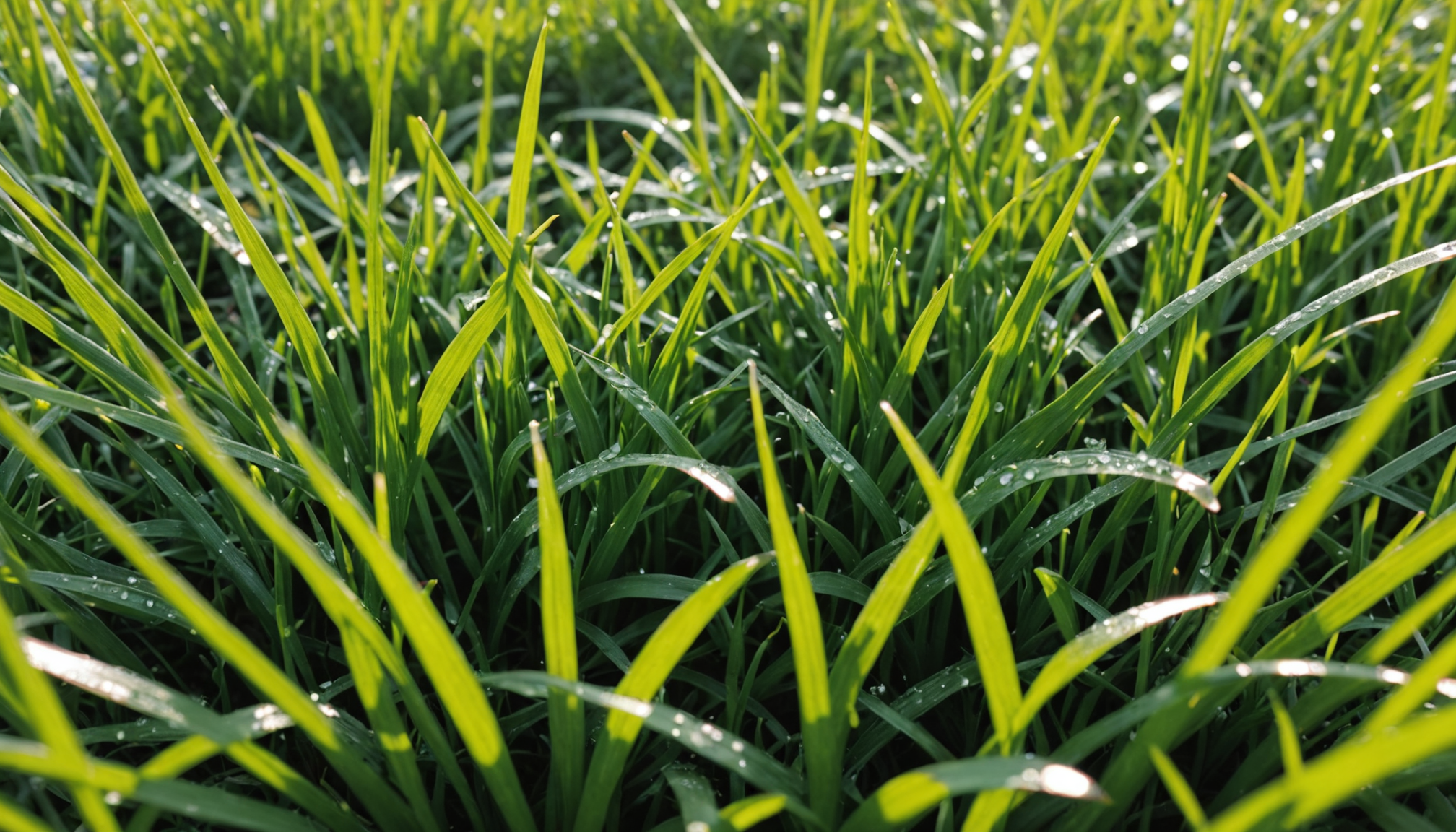
As the warm temperatures of summer settle in, maintaining your lawn requires a different approach to ensure it stays vibrant and healthy. The summer months can be harsh with high temperatures and occasional drought conditions, making it vital to adapt your lawn care routine. Here is a step-by-step guide to effective summer lawn care:
- Watering: The most crucial aspect of summer lawn care is watering. It’s essential to water deeply but infrequently to encourage deep root growth. Aim to give your lawn about 1 to 1.5 inches of water per week, either through rainfall or irrigation. Early morning is the best time to water, as it minimizes evaporation and allows the grass blades to dry throughout the day, reducing the risk of fungal diseases.
- Mowing: Adjust your mowing practices to cope with the summer heat. Raise the mowing height to leave your grass longer, usually about 3 to 4 inches, which provides shade to the soil and helps retain moisture. Ensure your mower blades are sharp to prevent tearing the grass, which can make it susceptible to disease.
- Frequency: Mow often enough to remove no more than one-third of the grass height at a time.
- Technique: Alternate mowing patterns to avoid grass wear and soil compaction.
- Fertilization: If you fertilized during spring, consider skipping summer fertilization or consult a local expert for advice. Excess nitrogen in hot conditions can burn your lawn. If fertilizing, opt for a slow-release variant that will feed your lawn gradually over several weeks.
- Pest Control: Be vigilant for signs of pests such as grubs or chinch bugs that can damage your lawn. Apply appropriate pest control measures if infestation occurs. Organic options or targeted insecticides can help minimize impact on beneficial insects.
- Observation: Regularly inspect for any irregular patches or signs of damage.
- Application: Follow directions carefully when applying pest control products to ensure no harm to healthy turf.
- Weed Management: Summer is a prolific time for weeds like dandelions and clover. Spot treatment with selective herbicides can help manage these invaders without harming lawn grass. Regular mowing at the appropriate height can also naturally suppress weed growth by reducing sunlight reaching the soil.
- Disease Prevention: During hot, humid conditions, lawns can become susceptible to fungal diseases. Keep your lawn aerated and ensure proper drainage to reduce disease risk. If diseases do appear, treatment with appropriate fungicides or consulting a lawn care professional might be necessary.
By following these summer care strategies, your lawn will remain a lush, green oasis despite the challenges posed by the season. Proper watering, mowing adjustments, and diligent observation will help you navigate this demanding time and sustain the health of your grass for the upcoming fall months.
Fall cleanup
As the vibrant greens of summer begin to fade, it’s essential to prepare your lawn for the cooler months ahead. This is a crucial period for managing potential issues and bolstering your lawn’s resilience through thoughtful actions. The transitional period offers an opportunity to fortify your landscape, ensuring it can endure the rigors of winter while setting the stage for a lush resurgence come spring.
One of the primary tasks during this time is to thoroughly rake and remove fallen leaves and other plant debris. Allowing these materials to remain can suffocate your grass, creating breeding grounds for diseases and pests. Frequent raking is vital, as a tidy lawn facilitates air circulation and ensures your grass isn’t deprived of critical sunlight. Additionally, it’s a perfect time to address any excessive thatch that might have accumulated. Removing this layer promotes healthy soil activity and improves moisture reach.
Consider performing aeration during this transitional season. Aeration helps alleviate soil compaction, increasing penetration of water, nutrients, and oxygen into the soil—benefiting root systems deeply entrenched in the fall. Pinpointing the most compacted areas will yield the most benefit and, when complemented by overseeding, can revitalize thin or bald patches. Choose a seed blend suitable for your region’s climate to increase the chance of early growth before the soil cools too much.
Effective fertilization strategies are critical during this time. Select a high-quality, slow-release fertilizer with a focus on potassium. Potassium is essential for root development and enhances the lawn’s ability to withstand colder temperatures. This particular nutrient acts as a strengthening agent, bolstering disease resistance and helping the grass transition more effectively into dormancy.
Identify and address weeds that have sprung up in the late season. Utilizing a broadleaf herbicide this time of year can be particularly effective as weeds are storing up nutrients and will absorb the treatment more thoroughly. Eliminating these pests not only decreases competition for resources but also simplifies spring lawn preparation.
Routinely check for signs of lawn damage or stress. Pathogens and insects can exploit the cooler weather, dulling your lawn’s vitality. Early diagnosis and treatment of these issues can prevent extensive damage. Employ eco-friendly pesticide solutions to target specific issues without harming beneficial organisms or the environment.
Achieve uniform mowing into the cooler months by gradually reducing the height of your grass. Lower mowing exposes less of the grass to frost and prevents matting under snow. However, avoid cutting too short to ensure the grass has ample energy reserves to thrive during its dormant state. Keep mower blades sharp for clean cuts to minimize plant stress and preserve your turf’s overall health.
These steps form a comprehensive approach to managing your lawn during this crucial period. By thoughtfully addressing these specific aspects, you set a solid foundation for a robust, thriving landscape that will emerge strong and vibrant with the arrival of spring.
Winter precautions
As the frigid winds begin to blow and temperatures drop, taking proactive steps is essential to shield your lawn from the harsh winter elements. The key to effective winter precautions lies in maintaining your lawn’s health to endure the colder months and emerge resilient with the warming of spring.
One of the first steps to take as winter approaches is to perform a final mow. Gradually lower the mowing height, aiming to leave your grass around 1.5 to 2 inches tall. This practice reduces the chances of snow mold forming, as shorter grass is less likely to mat under heavy snow. However, be careful not to cut it too short, which might expose the root system to cold air.
Clearing the lawn of debris is crucial before the first snowfall. This includes not only leaves but also any small twigs or clutter that could stifle grass growth or harbor mold when concealed by snow. Raking leaves or using a leaf blower can help ensure your lawn is clean. Consider composting this organic material, which can be turned into valuable mulch or soil amendment come spring.
Applying a winterizing fertilizer before the ground freezes can significantly benefit your lawn’s health. Opt for a high-potassium fertilizer, as potassium is vital for stress resistance and maintaining cellular function during dormancy. These nutrients will fortify the grassroots and prepare them for efficient nutrient uptake once the temperatures rise.
Don’t overlook the value of aerating in late fall if the ground is not yet frozen. Aeration helps reduce soil compaction and allows nutrients and water to reach the grassroots more effectively. This step can be especially beneficial if your lawn endured a heavy foot traffic summer or if soil compaction is a regular concern. Specialized aeration services or equipment rental can facilitate this process if needed.
Another important preventive measure is to limit traffic on your lawn during winter as much as possible. Repeatedly walking over frozen grass can compact the soil and damage the dormant turf. Encourage family members to use sidewalks and paved pathways during this time. For areas where foot traffic is unavoidable, consider using temporary pathways or mulch to minimize direct contact with the grass.
In regions where snowfall is heavy, be mindful of where snow is piled. Avoid heaping snow in one area, which can cause damage from excessive weight and moisture. Shovel snow evenly across your lawn, if possible, to promote even melting and distribution of moisture.
Consider the risk of road salt damage in areas adjacent to driveways or sidewalks. Deicing agents can leach into the soil, harming useful organisms and causing grass desiccation. Utilize salt alternatives, such as sand or pet-safe ice melts, to minimize the negative impact on your lawn.
Lastly, keep an eye out for signs of wildlife damage throughout the season. Some animals, such as voles, can create runways beneath the snow, damaging the turf. Installing protective barriers or using repellents can deter these creatures from turning your lawn into their winter habitat.
Implementing these proactive strategies will significantly contribute to your lawn’s ability to withstand winter’s challenges. By focusing on preventive care and maintenance, you’ll lay the groundwork for a verdant, robust landscape once the snow thaws and the growing season recommences.
Tools and equipment
Having the right tools and equipment is essential for effective lawn care all year round. Equipping yourself with quality tools can make each seasonal task not only more efficient but also more enjoyable.
First and foremost, a reliable lawnmower should be at the top of your list. Investing in a mower with adjustable height settings allows you to tailor cutting heights to the specific needs of different seasons. In spring and summer, higher settings promote grass health, while lower settings in fall can help prepare the lawn for dormancy. Frequent sharpening of the mower blades ensures clean cuts and minimizes stress on the grass, reducing the risk of disease.
Another crucial tool is a quality rake. A good rake is indispensable for clearing leaves, debris, and thatch build-up throughout the year. Look for a rake that’s lightweight with a comfortable grip for extended use, and consider a leaf blower for larger properties to save time and effort during fall cleanup.
For watering, an efficient irrigation system can make a dramatic difference in maintaining a healthy lawn. Systems with programmable timers and moisture sensors optimize water usage, ensuring deep, infrequent watering that encourages strong root development without waste. In the absence of an irrigation system, sturdy hoses with adjustable spray nozzles can help cover different areas of your lawn effectively.
Aerates are key when it comes to relieving soil compaction and improving air, water, and nutrient flow to the grass roots. Manual aerators or mechanical versions for larger areas can both serve this purpose well.
Weed control tools, such as a sharp hoe or a mechanical weeder, are invaluable for maintaining a pristine lawn. Regular manual weeding is often necessary alongside chemical treatments to manage invasive species effectively. Storage space permitting, consider stocking a small array of herbicides suited for different types of weeds and seasons.
Should pest problems arise, having a sprayer on hand for applying insecticides or organic pest solutions is crucial. Choose sprayers with adjustable nozzles for targeted application, reducing waste and the likelihood of overuse.
Finally, investing in a sturdy wheelbarrow can significantly ease tasks such as transporting soil, compost, or mulch. Investing in an easy-to-maneuver model is particularly beneficial for yard work, especially on uneven terrain.
Remember, regular maintenance of your lawn equipment is just as vital as the care for your lawn itself. Proper storage, cleaning, and servicing of tools and machinery will prolong their life and ensure they perform at their best when you need them most. These investments in quality tools and attentive maintenance practices will not only streamline your efforts but also enhance the health and beauty of your lawn throughout the year.
By implementing strategic seasonal maintenance and equipping yourself with the right tools, you can cultivate a resilient and vibrant lawn year-round. Thoughtful care and planning, from the first signs of spring through the dormant months of winter, ensure your lawn remains a lush, green oasis. Embracing these practices empowers you to achieve lawn care excellence and enjoy the beauty and serenity of your outdoor space in every season.