If you’re considering installing a fence or updating an existing one, understanding the range of materials available is essential to making an informed decision. Each type of fencing material comes with its own set of benefits, drawbacks, and suitability for different environments. The choice you make can significantly impact the longevity, aesthetics, and functionality of your fence, ensuring it complements the style and needs of your property and family.
There are several popular fencing materials, each with distinct characteristics:
- Wood: Known for its classic look, wood fences offer aesthetic appeal that can seamlessly integrate into any landscape. Cedar and redwood are particularly favored for their natural resistance to decay and insect infestation. However, wood tends to require more maintenance compared to synthetic materials to protect against weather-related damage and trends in environmental sustainability.
- Vinyl: Vinyl fences have become increasingly popular due to their durability and low maintenance requirements. They do not rot, are resistant to many environmental threats, and can replicate the appearance of a wood fence, allowing families to enjoy the aesthetic benefits without the extensive upkeep.
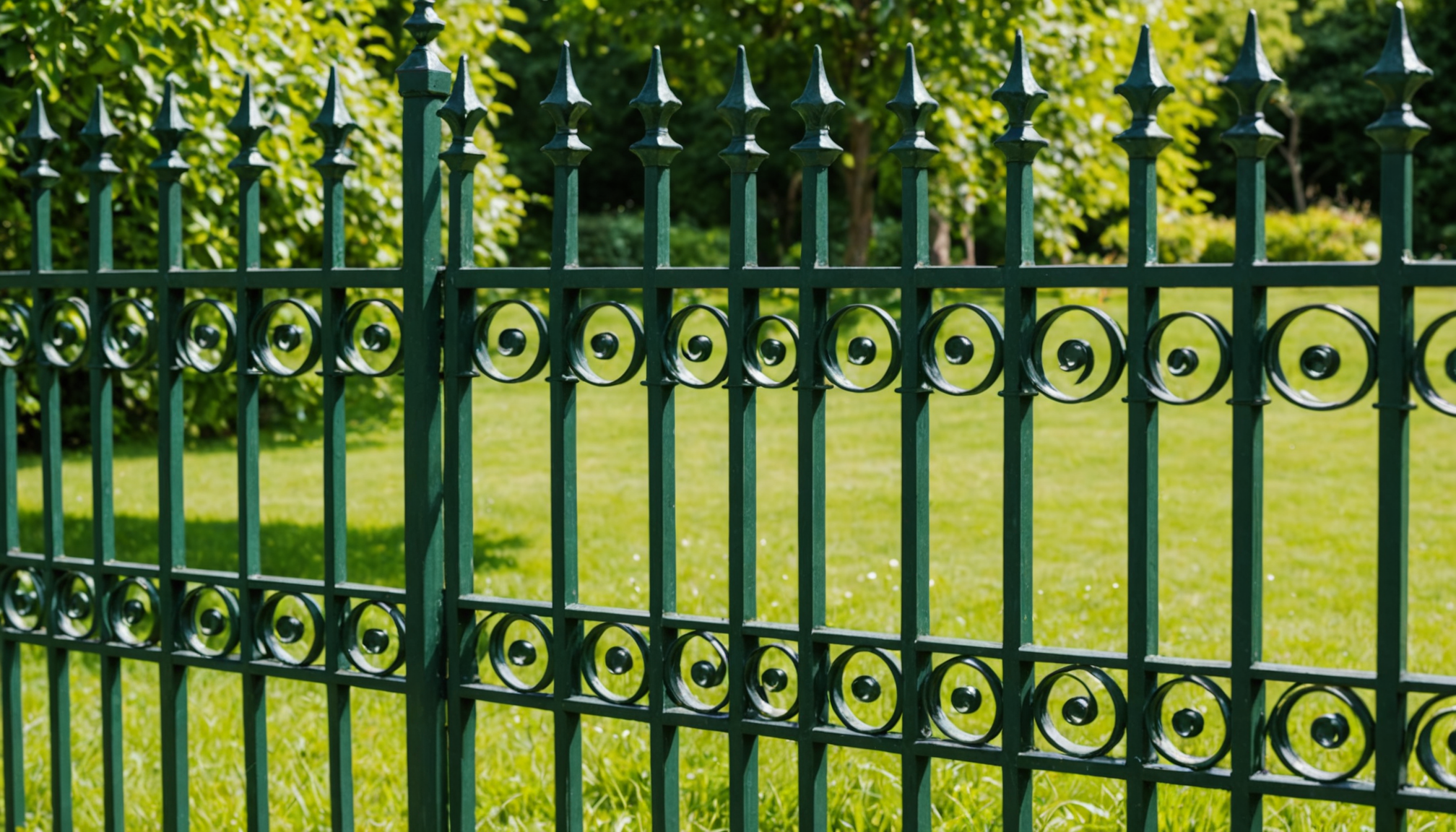
- Metal: Offering robust protection, metal fences—such as aluminum and wrought iron—are ideal for high-security areas. Aluminum is prized for its resistance to rust, making it perfect for regions with heavy rainfall, while wrought iron provides timeless elegance. Metal fences do require care to mitigate corrosion over time, similar to maintaining HVAC systems to protect against wear and tear.
- Composite: As an amalgamation of wood fibers and plastic, composite fencing is emerging as a sustainable option that mimics the appearance of wood while providing immense durability. Its resistance to rot and minimal need for painting or sealing aligns well with recent sustainability trends.
- Chain Link: While not the most visually appealing, chain link fences are cost-effective and efficient for areas requiring clear visibility and security, such as playgrounds. Though not ideal for privacy, they’re often used for temporary demarcation or industrial applications.
Here’s a comparative table showcasing the strengths and weaknesses of these materials in terms of cost, maintenance, and durability:
| Material | Initial Cost | Maintenance | Durability |
| Wood | Medium to High | High | Medium |
| Vinyl | High | Low | High |
| Metal | Medium to High | Medium | High |
| Composite | High | Low | High |
| Chain Link | Low | Low | Medium |
Making the right material choice involves considering the specific needs of your property and aligning them with family preferences, budget constraints, and the nature of threats your fence might face, such as weather conditions or local wildlife challenges. Make sure to consult with a professional who can provide bespoke advice tailored to your unique circumstances and location.
Common threats to fences
 From the harsh elements of nature to human interaction, fences encounter numerous threats that can compromise their integrity over time. Understanding these common threats is crucial in taking proactive measures to protect your investment and ensure its longevity.
1. Weather Elements: The most relentless adversary your fence will face is the weather. Prolonged exposure to sunlight can cause discoloration and warping, especially in wooden fences. Furthermore, rain and snow promote moisture absorption, leading to swelling, rot, and decay. In colder climates, the freeze-thaw cycle can result in cracking and splintering in some materials.
2. Pests: Insects such as termites and carpenter ants pose a significant threat to wooden fences, undermining the structure by eating away at the wood. Another lesser-known threat includes burrowing animals that can damage the foundation of the fence by creating tunnels beneath it.
3. Physical Damage: Daily exposure to physical stressors, whether from playful children, pets eager to explore beyond boundaries, or garden tools accidentally bumping into the fence, can take its toll. Over time, these interactions can lead to leaning panels, loose posts, or, in extensively used areas, complete sections breaking away.
4. Corrosion and Rust: Metal fences like those made of iron or steel are prone to corrosion, particularly in humid or coastal regions where salt from the air accelerates rust formation. Protecting against these trends requires regular inspection and treatment to prevent integrity loss.
5. Vegetation: Nearby plants and climbing vines may seem harmless but can lead to detrimental effects on your fence. Their weight can pull down weaker sections, while roots can cause ground upheaval, destabilizing the posts. It’s important to trim back overhanging foliage and remove climbing plants regularly.
6. Changing Soil Conditions: Soil erosion and shifts in the ground due to natural causes or construction activities nearby can leave your fence unstable. Fences built on slopes or loose soil types are particularly vulnerable, necessitating the use of ground anchors or retaining walls to secure them effectively.
To effectively combat these threats, homeowners should incorporate regular inspections into their property maintenance routines. Especially following severe weather events, scrutinize your fence for signs of wear and tear. Employing simple preventative measures, such as using pest control treatments or applying protective sealants regularly, can significantly enhance the fence’s resilience.
Routine maintenance tips
Regular maintenance is crucial in ensuring the longevity and functionality of your fence. The benefits of maintaining your fence extend beyond aesthetics; it also helps in warding off potential damage, thus saving on costly repairs down the line. A well-maintained fence not only boosts the curb appeal of your property but also enhances safety and privacy for your family.
Start by scheduling periodic inspections to identify early signs of wear or damage. Look for loose boards, rust spots, decay, and shifting posts. Addressing these issues promptly is vital. Tighten fasteners and replace any bent or damaged components to maintain structural integrity.
For wooden fences, cleaning is a fundamental routine task. Dirt and mildew can accumulate over time and degrade the wood. Use a mild detergent or a specialized fence cleaner to scrub away impurities. Following cleaning, it’s important to re-seal or stain the fence to keep it water-resistant and contribute to its natural beauty. This additional layer of protection is essential, especially given current environmental sustainability trends.
Metal fences, particularly those made from iron or steel, require a different approach. Regularly check for signs of corrosion, especially if you live in a region with high humidity or salty air. A rust-resistant primer and paint can protect your fence from degradation. Performing these upkeep activities is akin to maintaining your HVAC system—routine and attention to detail can prevent larger issues.
Vinyl and composite fences offer the benefit of low maintenance, but they still require cleaning to keep them looking their best. Use water and a non-abrasive cloth to wipe down your vinyl fence and remove grime or algae buildup. Composite materials, while resistant to many of the traditional threats faced by wood or metal, should still be inspected regularly for any damage or stains.
For fences with decorative landscaping, ensure vegetation is trimmed and kept at a safe distance. While climbing vines can seem charming, they may exert undue pressure on fencing materials and detract from their intended purpose. This simple step not only preserves the fence’s strength but also keeps your yard looking organized and inviting.
By integrating these routine maintenance tips into your home care practices, you help to protect your investment. The fence, after all, is more than just a boundary; it’s a vital component of your property that defines spaces, ensures privacy, and enhances overall safety and aesthetics. Regular maintenance ensures that your family can continue to enjoy these benefits for years to come.
Protective treatments and coatings
Choosing the right protective treatments and coatings is crucial to extend the lifespan of your fence and maintain its aesthetic appeal. These treatments act as a defensive barrier against various environmental factors and physical wear, ensuring that your fence remains sturdy and visually appealing for years to come.
For wooden fences, applying a high-quality sealant or wood preservative is indispensable. These products penetrate the wood, offering protection from moisture that can cause rotting and warping. Consider using a water-repellent finish that includes a UV protectant, which will prevent the wood from fading under the harsh rays of the sun. Such treatments not only enhance the natural beauty of the wood grain but also align with current environmental sustainability trends by minimizing the need for frequent replacements.
Metal fences, particularly those constructed from wrought iron or steel, should be treated with anti-corrosion coatings. These coatings can include rust-inhibiting primers and paints that safeguard the metal from the effects of humidity and exposure to salt, especially critical in coastal areas. Regular touch-ups and reapplications are essential to maintain the integrity of these barriers and protect against the risk of rust that may compromise their robustness.
Vinyl fences are naturally resistant to many of the ailments that plague other materials, but they still benefit from periodic cleaning and a protective polish. Using a UV inhibitor can help maintain their color and sheen, keeping them looking fresh and new even after years of exposure to the elements.
For composite fences, manufacturers often recommend a simple wash with water and detergent to remove surface grime and buildup. However, to safeguard these eco-friendly options from external threats, they can be treated with mold-resistant coatings. This not only extends the life of the fence but also ensures that its appearance remains unaffected by the unsightly growth of mold and mildew.
In sum, each type of fence material has its specific needs when it comes to protective treatments and coatings. By regularly applying these treatments, you preserve the fence’s utility and beauty, aligning with the growing trend of sustainability and resource conservation. Remember, investing time and effort into protective measures today shields your fence from needing extensive repairs tomorrow, allowing you and your family to enjoy a durable and attractive boundary for your home.
Cost-effective repair strategies
When it comes to repairing fences, a few cost-effective strategies can provide substantial savings while maintaining durability and functionality. The key lies in addressing issues proactively and utilizing resources wisely, preventing minor problems from escalating into costly replacements.
For wooden fences showing signs of rot or decay, replacing only the damaged sections can save money. Use pressure-treated wood for replacements to withstand environmental wear and prevent future issues. Regular treatment with sealants not only protects the wood but also avoids recurring damage. Wooden fences substantially benefit from reinforcing weak points with brackets or metal rods, which enhances stability without a full overhaul.
Metal fences can develop rust, particularly in humid climates, but complete replacement is usually unnecessary. Sanding down rust spots and applying rust-inhibiting primers and paints can revive the appearance and strength of the fence. Addressing rust early through these small repairs ensures the metal remains robust, saving on more extensive repairs later.
Vinyl fences, though naturally resilient, can suffer from cracks due to impact or weather conditions. Repair kits specific for vinyl fences offer a low-cost solution by allowing you to apply fillers in damaged areas. This not only restores the fence’s integrity but also maintains its modern aesthetic.
Composite fences, known for their durability, occasionally encounter surface scratches or discoloration. These imperfections often don’t demand major fixes—sanding down affected areas and applying a color-matching stain can keep the fence looking new while ensuring protection against future wear.
Chain link fences, though typically lower in maintenance needs, sometimes face sagging sections. Tension bars and ties, available at most hardware stores, can be used to tighten and stabilize them, effectively extending the lifespan without substantial investment.
A consistent theme across all these strategies is periodic inspection. By regularly checking for early signs of damage, necessary repairs can be addressed before they become larger issues. Moreover, continuing to engage with the fence’s needs, much like routine HVAC maintenance, preserves its usability and aesthetic charm without demanding significant financial output.
In conclusion, protecting your fencing investment requires understanding the materials, recognizing potential threats, and committing to ongoing maintenance and appropriate treatments. Each step you take not only enhances the lifespan of the fence but also serves to safeguard your property’s value and curb appeal. By employing cost-effective repair strategies and upholding diligence with routine maintenance, your fence remains a sturdy, attractive, and essential component of your family’s home’s exterior.