Before embarking on your garage insulation project, it’s crucial to assess your specific insulation needs. A thorough evaluation will guide you towards making informed decisions that enhance efficiency and cost-effectiveness. Begin by understanding the unique characteristics of your garage, which will significantly influence the insulation requirements.
First, determine the primary use of your garage. Is it simply a space to park vehicles, or do you envision it as a potential extension of your living area? If your garage serves multiple functions, such as a workshop or gym, you might require higher insulation levels to maintain comfort and energy efficiency. This assessment sets the foundation for choosing the right materials and methods.
Another critical factor involves examining the existing structure of your garage. Take note of the wall and ceiling constructions, as these elements significantly impact insulation performance. Assess any existing insulation on your garage’s walls, ceiling, and door. Inspect these areas for gaps, damages, or signs of moisture, which can compromise the insulation’s effectiveness.
Understanding the climate in which you live is also vital. Colder regions demand insulation that provides excellent thermal resistance, thus keeping the cold out and the warmth in. Conversely, garages in warmer climates benefit from insulation that effectively blocks out external heat. Consider local weather patterns and fluctuations when evaluating your insulation needs.
Evaluating the energy efficiency of your garage environment can also inform insulation decisions. If you find your home improvement bills soaring due to energy loss, upgrading your garage insulation might provide significant savings. Use a thermal camera or consult with a professional to identify areas where energy losses occur. Hiring pros can provide a comprehensive energy audit to pinpoint areas needing attention for optimal insulation.
Finally, take note of insulation trends and technologies available on the market. Advances such as eco-friendly materials or insulation with integrated moisture barriers might align with your goals of sustainability and long-term performance. Being well-informed about the latest trends ensures that your project not only meets current standards but is also future-proof.
| Factor to Assess | Impact on Insulation Needs |
| Garage Usage | Higher thermal resistance needed for multi-purpose usage. |
| Existing Structure | Gaps and damages require more comprehensive insulation solutions. |
| Climate | Colder climates need better thermal insulation; warmer areas require reflective barriers. |
| Energy Efficiency | Identify and address energy loss for cost and energy savings. |
| Trends and Technology | Eco-friendly and advanced materials could provide additional benefits. |
By thoroughly assessing your garage’s insulation needs, you lay the groundwork for an effective, efficient, and well-tailored insulation project. Whether you tackle the project yourself or consider hiring pros, this detailed assessment ensures your garage insulation endeavor effectively contributes to your home’s overall comfort and energy performance.
choosing the right insulation materials
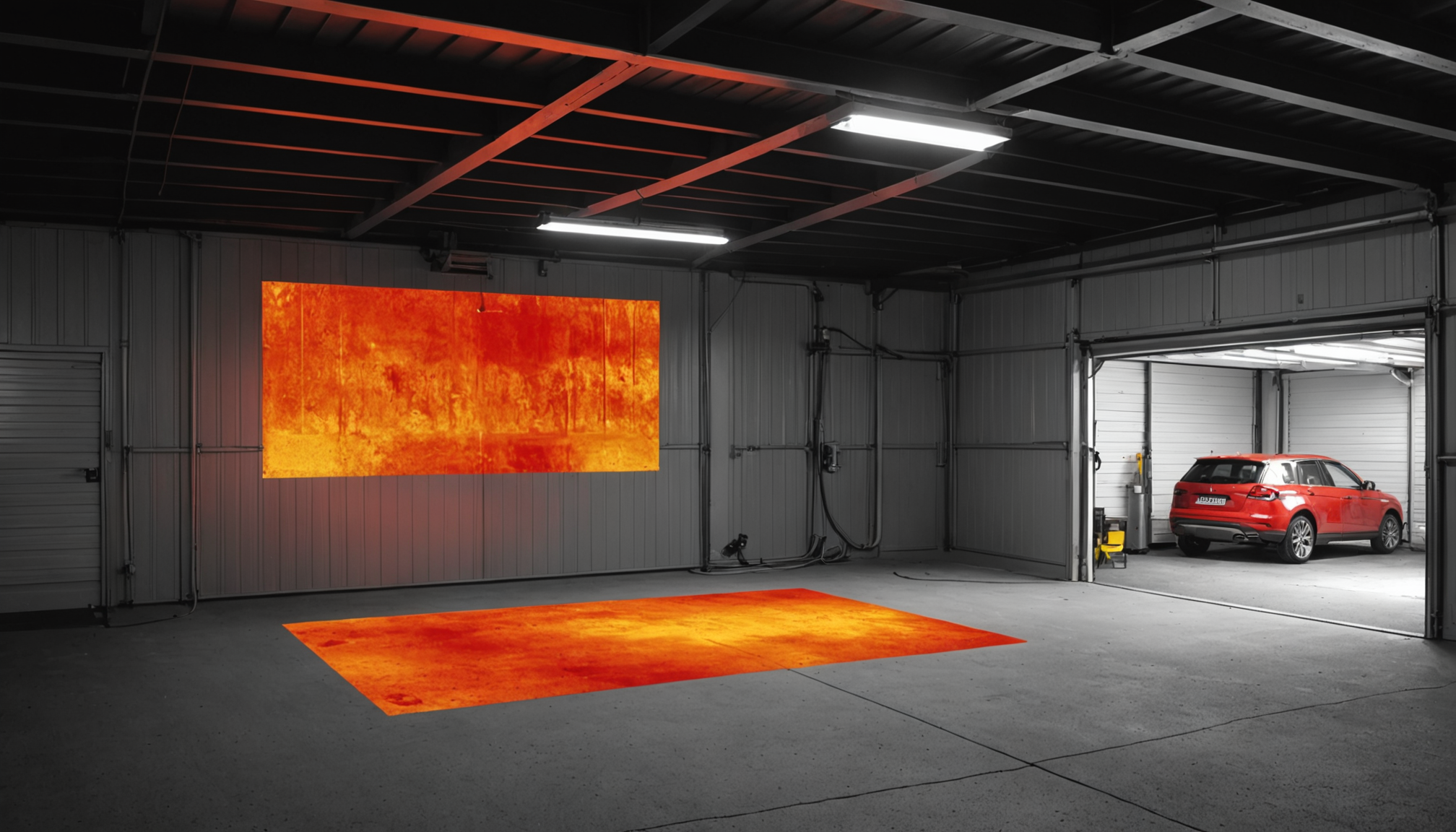 When it comes to selecting the ideal insulation materials for your garage, several factors should be considered to ensure optimal thermal performance and cost-effectiveness. Navigating through the myriad of options can be daunting, but understanding the characteristics and benefits of each material can guide you to the right choice for your specific needs.
1. Determine the Insulation R-Value Needed
The R-value represents the material’s resistance to heat flow. A higher R-value means better insulation performance. Take into account:
– Climate: In colder regions, choose materials with a higher R-value for better thermal resistance.
– Usage: If your garage doubles as a living space or workshop, opt for materials that provide superior insulation.
2. Select Insulation Material Types
Become familiar with various insulation materials to make an informed choice:
– Fiberglass: Popular for its affordability and ease of installation, fiberglass is available in batts or loose-fill.
– Spray Foam: Best for superior insulation and sealing air leaks, though it is a more expensive option.
– Rigid Foam Boards: Ideal for walls and ceilings, these boards offer a high R-value and are moisture-resistant.
– Reflective or Radiant Barrier: Suitable for hot climates to reflect heat away and maintain cooler interiors.
3. Evaluate Moisture and Vapor Barriers
Your garage’s environment might necessitate additional features:
– Vapor Barriers: Essential in areas prone to moisture to prevent condensation and mold growth.
– Moisture-Resistant Materials: Consider coatings or materials like rigid foam that resist mold and mildew.
4. Consider Sustainability and Eco-Friendliness
For those environmentally conscious, explore options that reduce the ecological footprint:
– Recycled Materials: Fiberglass and some foam boards are made from recycled content.
– Natural Insulators: Sheep’s wool and cotton batts are renewable and non-toxic alternatives.
5. Factor in Installation Complexity and Cost
Depending on your DIY skills or if you’re considering hiring pros, some materials might be more suitable:
– Ease of Installation: Fiberglass batts and foam boards are more DIY-friendly.
– Professional Installation: Spray foam, while effective, usually requires professional expertise for proper application.
6. Inspect Long-term Performance and Warranty Offers
Look for materials that offer warranties and are known for durability:
– Lifespan: Evaluate how long the insulation will last without losing performance.
– Warranty: Choose a product with a comprehensive warranty to cover potential issues.
Choosing the right insulation materials is critical to maximize your garage’s energy efficiency and comfort range. Balance your immediate insulation needs with budget, climate, and the specific functions of your garage to make an informed decision. By weighing these considerations, you ensure that your garage is both comfortable and energy-efficient, aligning with both current insulation trends and long-term home improvement goals.
step-by-step installation process
With your chosen materials in hand, you’re ready to begin the process of insulating your garage. Each step demands careful attention to detail to ensure the insulation is effective and long-lasting. Start by preparing the workspace thoroughly. Clear out any vehicles and stored items to guarantee ample room not only for ease of movement but also to avoid any potential damage to belongings. This step makes the installation process smoother and more efficient, setting you up for success right from the start.
The next step involves sealing any gaps and cracks. These small openings, often found around windows, doors, and structural joints, can lead to significant energy loss. Use a high-quality caulking or expanding foam sealant to meticulously fill these spaces. This not only enhances your insulation’s effectiveness but also prevents pests and moisture from entering, which is crucial for maintaining a clean and functional garage space.
Once sealing is complete, it’s time to install the insulation. Begin with the walls, as they often represent the largest surface area. For fiberglass batts, measure each space between the studs and cut the batts to fit snugly. Be sure to wear protective gear to guard against skin irritation. If you’re using spray foam, ensure you’re in a well-ventilated area and follow the manufacturer’s instructions closely. This method requires precision but offers excellent coverage and thermal resistance. Rigid foam boards should be cut to fit and secured firmly using construction adhesive or fasteners.
After the walls are adequately covered, turn your attention to the garage ceiling. Insulating the ceiling is vital, particularly for attached garages beneath living spaces. Use the same type of insulation as for the walls, or consider a higher R-value product if the ceiling area directly impacts your home’s energy efficiency. When installing, ensure that there’s no compression of the insulation material, as this reduces its effectiveness.
Follow up by addressing the garage floor, which is often overlooked but integral in creating a buffer against cold ground temperatures. Consider options like insulated floor panels or rubber mats that not only provide thermal resistance but also enhance comfort underfoot, particularly if you use the garage as a workshop or gym.
During each installation step, maintain a keen eye for maintaining insulation continuity. Gaps and unsealed seams can defeat your efforts by allowing cold air to seep back in. Overlap materials slightly and utilize foil tape or specialized insulation tape for seams to maintain a continuous barrier.
Opt for more than one inspection round as you progress. Assess your work at each stage to remedy any inconsistencies in placement. Calling in a professional inspector or using energy efficiency gadgets can provide an objective evaluation, ensuring your installation achieves the intended results.
By following a methodical, step-by-step approach, you position yourself for a successful insulation project. Proper installation not only enhances the garage’s energy efficiency but also supports your broader home improvement goals by potentially reducing utility expenses and elevating the garage’s usability all year round.
addressing garage door insulation
When it comes to insulating your garage effectively, one critical area that often gets overlooked is the garage door. The door constitutes a significant part of the garage’s surface area and can be a major source of energy loss if not properly insulated. Addressing the insulation needs of your garage door is essential to maximizing the overall energy efficiency and comfort level of your space.
The first step is to evaluate the type of garage door you have, as different materials and constructions have varying insulation requirements. If your door is made of wood, steel, or aluminum, each has specific features that may influence your insulation approach. For instance, steel doors can often accommodate rigid foam panels quite well, while wooden doors might require a more flexible approach to maintain their aesthetic.
Adding insulation to the garage door starts with selecting suitable materials. Rigid foam panels are a popular choice because they offer high R-values and fit neatly into the segments of sectional doors. Reflective foam is another good option, particularly in warmer climates where blocking the heat is a top priority. These materials are not only effective in providing thermal resistance but are also lightweight and straightforward to install, making them a practical option for a DIY project.
Before applying any insulation, ensure the surface of the garage door is clean and dry, removing any dirt or grease that could hinder adhesion. Measure each panel individually, and cut the insulation material to fit precisely, ensuring a snug fit. This precision is critical to avoid air gaps that could compromise the insulation’s integrity. For added security, use adhesive or double-sided tape to affix the insulation panels in place, paying attention to cover each section thoroughly.
In addition to the insulation panels, consider installing weatherstripping around the edges of the garage door. This simple but effective measure can significantly reduce air leaks and prevent moisture from infiltrating your garage. Weatherstripping is typically easy to apply and is available in various materials such as rubber or vinyl, each suited to different temperature ranges and durability needs.
Another useful strategy for enhancing the insulation of your garage door is to upgrade to an insulated door. If your current door is older and deteriorating, this might be a worthwhile investment. Modern insulated doors often come in ready-made designs with built-in insulation, offering superior thermal performance and adding value to your home improvement efforts. Such an upgrade not only improves energy efficiency but can also enhance the curb appeal and increase the resale value of your home.
While DIY approaches can be effective, don’t shy away from hiring pros if the task seems daunting or if you desire a guaranteed professional finish. Experienced professionals can ensure that insulation materials are properly installed and can offer insights into the latest trends and technologies that might further optimize your garage’s insulation.
Remember, enhancing the insulation of your garage door is a crucial step in rounding out your garage insulation project. It complements the work done on walls, ceiling, and floor, making your garage a more comfortable and energy-efficient space throughout the year. By paying attention to these details, you can create an environment that supports your broader goal of energy savings and a well-improved home.
additional tips for energy efficiency
When optimizing your garage for maximum energy efficiency, there are additional strategies beyond basic insulation that can make a notable difference. Properly insulating your garage door, walls, ceiling, and floor is essential, but complementing these efforts with further energy-saving tactics enhances overall performance.
One effective measure is to seal your garage tightly. Air leaks can lead to significant energy loss, so sealing any gaps or cracks around windows, doors, and the junctions of different surfaces is crucial. Use weatherproof caulking or weatherstripping, which are relatively inexpensive and easy to apply, to improve the airtightness of your garage. This step not only boosts insulation effectiveness but also helps in maintaining a consistent temperature, reducing the strain on your home’s HVAC system.
Another tip is to incorporate energy-efficient lighting. LED lights, for instance, consume far less energy than traditional bulbs and have a longer lifespan. Position lighting strategically to maximize efficiency and ensure adequate illumination while minimizing energy expenditure. You can also use motion detectors or timers to ensure lights are on only when needed, thus conserving energy.
Consider adding a programmable thermostat if your garage is heated or cooled. This device allows you to set specific temperatures for different times of the day, ensuring energy isn’t wasted when the garage is not in use. A smart thermostat can be particularly beneficial if your garage serves dual purposes, such as a workshop or gym, as it can adapt to your usage patterns.
For garages that double as living spaces, ensure that your HVAC system is appropriately sized and calibrated. However, for those seeking alternatives, installing a ductless mini-split system can offer efficient temperature control without the need for extensive ductwork. These systems are excellent for providing heat or air conditioning precisely when and where you need it.
Investing in quality windows can also contribute to energy efficiency. If your garage has windows, consider installing double-glazed or low-E glass options. They help in reducing heat exchange, keeping the space warm in winter and cool in summer, aiding the overall insulation efforts. Adding insulated curtains or blinds can further improve window insulation and control over temperature fluctuations.
Last but certainly not least, embrace the use of technology by employing energy monitoring devices. These tools give real-time feedback on your consumption, allowing you to identify inefficiencies and adjust your habits or systems accordingly. Understanding your garage’s energy usage can inform you on where additional improvements might be necessary, ultimately contributing to lower energy bills.
By integrating these supplementary energy-efficient practices into your garage insulation project, you elevate the level of comfort and efficiency within the space. These methods not only extend the life of your improvements but can significantly lower utility expenses, all while promoting a more sustainable home environment. Embracing these extra steps is a testament to a well-rounded approach to home improvement, acknowledging that every little detail counts in creating an energy-efficient haven.
In conclusion, successfully insulating your garage requires a blend of careful planning, the right materials, and detailed execution. From assessing your garage’s insulation needs to choosing suitable materials and following through with installation and additional energy-efficient improvements, each step plays a crucial role in creating a comfortable, energy-saving environment. By considering trends and incorporating advanced insulation techniques, you can transform your garage into a well-insulated extension of your home. With these comprehensive strategies, you not only enhance your living space but also increase the overall value of your property.