Maintaining a clean and organized living room begins with the strategic practice of decluttering. Decluttering not only contributes to aesthetics but essentially enhances the functionality and usability of the space. By efficiently managing clutter, you can create a more relaxing and visually appealing environment.
Begin your decluttering process by identifying the main problem areas in your living room. This might include surfaces such as coffee tables, side tables, and entertainment centers, where items tend to accumulate over time. Establishing a systematic approach to tackle each space will ensure comprehensive results and prevent feelings of overwhelm.
One effective strategy is to implement the “one-in, one-out” rule. This principle means that whenever a new item enters the living room, an existing item should either be thrown out, donated, or recycled. This method is particularly beneficial for maintaining order throughout different clutter cycles, particularly during seasonal changes.
- Sort items into categories: Sort items into designated categories such as “keep,” “donate,” “sell,” and “dispose.” This will allow you to make decisions on what is essential and what needs to be removed from the living room.
- Create storage solutions: Invest in quality storage options like shelves, bins, or baskets to store frequently used items. Opt for aesthetically pleasing storage that complements your living room’s design to maintain its decor.
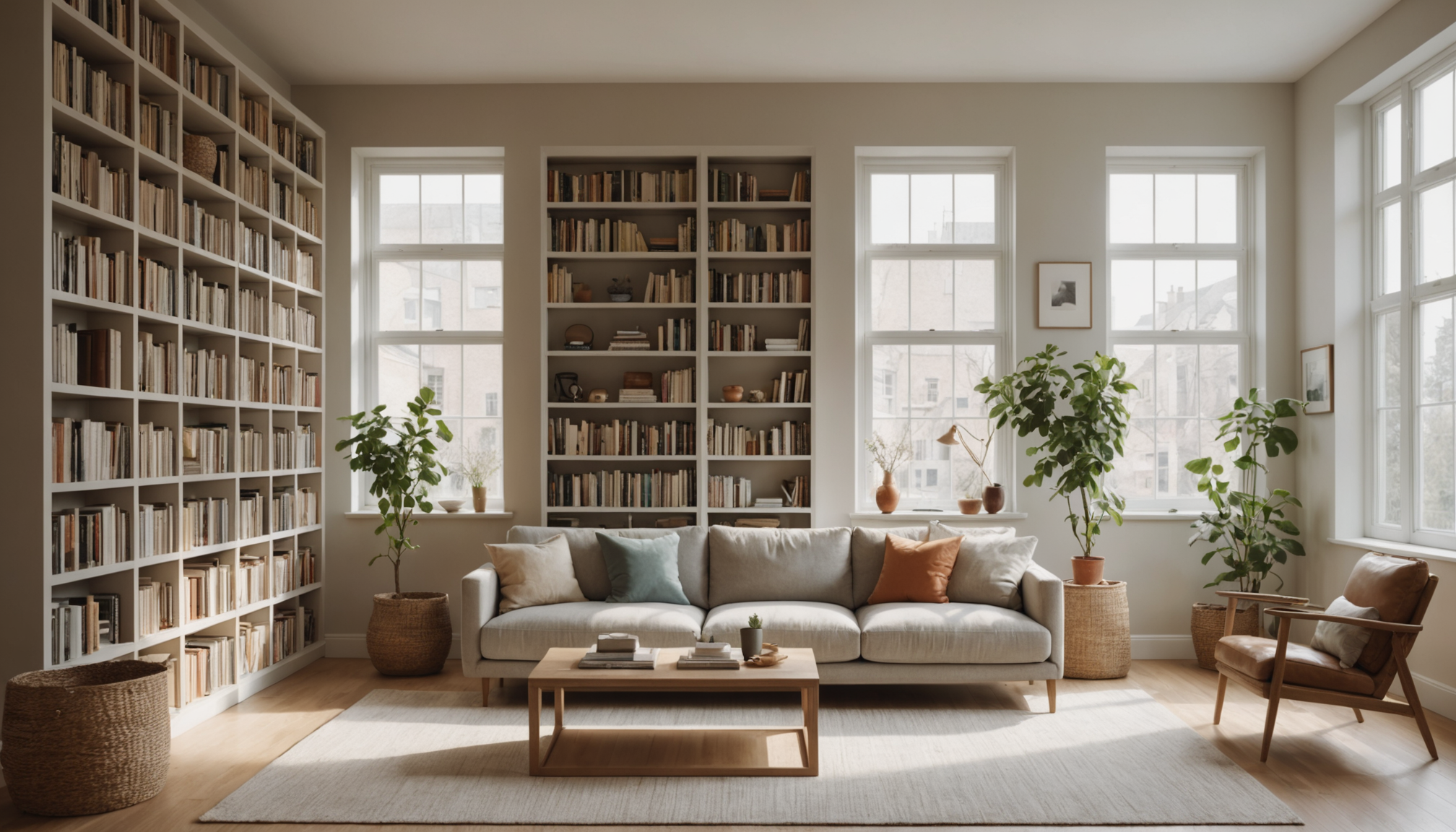
- Utilize vertical space: Think vertically by installing tall bookshelves or wall-mounted storage to free up floor space. This not only declutters the area but can also increase the room’s resale value by maximizing apparent space.
Additionally, it’s essential to periodically evaluate items and furniture that may no longer serve their purpose. Pieces that are heavily worn out or outdated might detract from the room’s overall appearance. Reassess these items during each decluttering session to ensure your living room evolves with your lifestyle and preferences.
| Category | Action |
| Books & Magazines | Donate to libraries or sell online |
| Electronics | Recycle old gadgets and dispose of broken ones |
| Decor Items | Store seasonally or rotate for freshness |
Remember that windows also play a significant role in the decluttering process. Clean windows can dramatically improve the living room’s ambiance by letting in more natural light, which can create the illusion of a larger space. Incorporate window cleaning into your decluttering routine to keep the living room looking bright and fresh.
By adopting these decluttering strategies, you not only maintain order in your living room but also create an inviting space that promotes relaxation and social interactions.
Dusting techniques
 Dusting is a critical component of maintaining a pristine living room environment, as it not only enhances the aesthetic appeal but also contributes to a healthier space by minimizing allergens. To ensure thorough and efficient dusting, follow these detailed steps:
- Gather Your Supplies: Before you start dusting, collect necessary tools and products. Essential items include a microfiber cloth, an extendable duster for hard-to-reach places, and a suitable dusting spray or solution. Microfiber cloths are particularly effective as they trap dust particles without dispersing them into the air.
- Start High, Finish Low: Begin dusting from the highest points such as ceiling fans, light fixtures, and the tops of tall furniture pieces. This method ensures that any dislodged dust settles on lower surfaces, which you can later clean as you move downward. Always dust in the direction of the natural flow of the space to maintain order.
- Focus on Forgotten Areas: Pay attention to overlooked spots like window blinds, picture frames, and the tops of doors. These areas tend to collect significant dust over time. Using a slightly dampened microfiber cloth can help capture dust more effectively in these areas.
- Electronics and Screens: For televisions, speakers, and other electronic devices, turn them off and use a dry cloth or an electronics-specific cleaning solution to avoid streaks and static buildup. Many electronic devices accumulate dust in vents and crevices, so a delicate touch with a specialized brush can help clean those intricate areas without damage.
- Shelving and Decor: When dusting shelves, remove items as you clean to ensure you reach every corner. Dust items individually before returning them to their places. For decorative items, pay special attention to intricate details where dust can accumulate, using cotton swabs or a small brush when necessary.
- Soft Furnishings: Curtains, upholstered furniture, and other soft furnishings should not be overlooked. Use a vacuum cleaner with an upholstery attachment to gently remove dust from these surfaces. For curtains, a seasonal wash or vacuum can prevent dust buildup, prolonging their freshness and enhancing the living room’s appearance.
- Special Surfaces: Pay close attention to surfaces made from wood, glass, or metal, each of which may require different cleaning products and methods. For example, wooden surfaces benefit from a polish that not only cleans but also provides a protective layer, aiding in the maintenance of the furniture’s resale value.
- Finishing Touches: After thoroughly dusting all your living room surfaces, open the windows to allow any remaining airborne particles to disperse and bring in fresh air. This will also help to clear out any lingering scent from cleaning products, leaving your space feeling revitalized.
Incorporating these dusting techniques into your cleaning regime will help keep your living room looking immaculate and contribute to a healthier home environment. Dust regularly to prevent buildup and enjoy a refined, fresh space that is ready for relaxation or entertainment.
Vacuuming and carpet care
Maintaining the cleanliness of your living room carpets is essential for both aesthetic appeal and health. Start by choosing the right vacuum cleaner for your carpet type, as this significantly influences cleaning efficiency. Upright vacuums work well for thicker carpets, while canister vacuums are suitable for hard floors and low-pile carpets.
Begin vacuuming by removing any large debris or tangled items like cords and toys, which can obstruct the vacuum’s effectiveness. It’s best to use a systematic approach, starting from the furthest corner and working your way towards the room’s exit to avoid walking over the cleaned areas. Vacuum slowly to give your machine ample time to pick up dust and allergens deeply embedded in the carpet fibers. Make multiple passes in different directions, as this cross-pattern helps loosen and remove more dirt.
For effective carpet care, focus on high-traffic areas, as these are prone to more dirt and wear. High-traffic zones might require several passes and might benefit from a weekly vacuuming routine, whereas less frequented areas might only require attention on a bi-weekly basis.
Every few months, consider applying a seasonal deep cleaning treatment. Deep cleaning options can include steam cleaning or shampooing, which can revitalize your carpet. Steam cleaning uses hot water extraction to remove dirt and bacteria from deep within the fibers. While this technique is highly effective, ensure your carpet is compatible to avoid damage. On the other hand, carpet shampooing involves a detergent solution applied with a small amount of water, followed by rigorous scrubbing and thorough rinsing.
For stain removal, act quickly when spills occur to prevent them from setting. Start by blotting the spill with a clean cloth rather than rubbing it, which can spread the stain further. Use specific carpet cleaners or homemade solutions like vinegar and baking soda, depending on the type of stain. For example, protein-based stains like food spills respond well to enzyme cleaners. Always spot test any cleaning product on an inconspicuous area of your carpet to prevent damage or discoloration.
To maintain the resale value of your home, don’t overlook under-the-rug pads, as they provide additional comfort and help extend the carpet’s life by reducing wear. Additionally, rotating rugs periodically helps distribute wear evenly across its surface, maintaining an even appearance.
A key component of carpet care is improving ventilation in the living room. Opening windows, particularly after cleaning, allows moisture to escape, reducing the chances of mold and mildew growth. Good airflow not only helps carpets dry faster post-cleaning but also contributes to a fresher living environment.
Incorporating these vacuuming and carpet care strategies ensures that your living room remains a clean, serene space that both looks inviting and supports healthy indoor air quality. The right balance of regular maintenance and occasional deep cleaning will keep carpets in excellent condition, enhancing the overall appeal of your home.
Furniture polishing
When it comes to maintaining your living room furniture, polishing is an art that blends care with a touch of elegance. Proper polishing not only enhances the sheen and appearance of your furniture but also plays a vital role in preserving its condition, thereby maximizing the resale value of your pieces. Start by selecting the appropriate polish for your furniture type, a crucial step ensuring that the finish is protected and the natural beauty is amplified.
Before you begin, dust the surface using a soft, dry cloth to remove any debris, as particles left on the surface can scratch the finish when you apply polish. For wooden furniture, choose a polish that nourishes the wood, such as those containing natural oils like linseed or lemon oil. These not only clean but also enrich the wood, bringing out its natural luster.
Work the polish into the furniture following the grain of the wood. This technique helps to blend in small scratches, providing a uniformly glossy finish. Use a soft, lint-free cloth to apply the polish, moving in gentle, circular motions to ensure even coverage. This approach not only offers a deep shine but also leaves the furniture feeling smooth and looking vibrant.
For special finishes like lacquer or varnish, a wax-based polish can offer superior protection. Apply it sparingly to avoid buildup, which can dull the surface over time. Buff the wax with a clean, dry cloth until the surface gleams. If your living room features glass-topped tables or metal furnishings, each requires a specific cleaning method: glass cleaners that leave no streaks or metal polishes that prevent tarnishing.
Seasonal changes can affect the condition of your furniture. During dry seasons or in environments with central heating, keep an eye out for signs of dryness or cracking in wooden surfaces. A humidifier can help maintain an optimal humidity level, preserving the furniture’s integrity and appearance. On the other hand, during humid months, ensure that moisture levels are controlled to prevent swelling or warping of wood surfaces.
Polishing not only breathes new life into your furniture but opens up your living space, enhancing the room’s overall ambiance. By staying consistent with these practices, you ensure that each piece remains not just clean and spotless but also an attractive element that contributes to your living room’s charm and resale value. Take advantage of natural daylight streaming in through your windows while you work; the light can help you ensure that every detail has received attention. Integrating these strategies into your cleaning routine will keep your living room pieces looking as good as new for years to come.
Final touches and organizing
Once you’ve tackled the main cleaning tasks, focus on the small details that truly make your living room feel complete and inviting. This final stage is all about enhancing the room’s functionality and maintaining its clean appearance with thoughtful organization and decorative touches.
Start by assessing how your living room is used daily. Consider the activities that usually take place there, be it relaxing, entertaining, or family time. Then, arrange furniture and accessories to facilitate these activities seamlessly. This arrangement not only streamlines the room’s flow but also maintains the condition and resale value of your furnishings by reducing unnecessary wear.
Utilize clever storage solutions to keep the area tidy. Hidden storage, such as ottomans with compartments or stylish boxes on shelves, can help prevent clutter from accumulating. Use decorative baskets to store throw blankets or magazines, maintaining an organized yet relaxed environment. Shelving can act as both a practical and decorative feature. Organize books by color or size and mix in decorative objects like vases or small sculptures.
Focus on maximizing the light in your living room. Keep windows clean to ensure natural light enhances the space, making it appear more open and bright. Select window treatments that allow for significant natural light during the day but can provide privacy at night. Mirrors strategically placed can reflect light around the room, amplifying the sense of space and airiness.
Personal touches can also dramatically uplift the ambiance. Refresh the room with seasonal items, such as switching throw pillows to reflect the season’s colors or adding a fresh bouquet of flowers on the coffee table. These adjustments are simple yet effective ways to transform the mood of your living room without major redecorations.
Organize electronics and cords to keep them accessible but tidy. Consider using cord organizers, and keep frequently used remote controls in an easily accessible location, like a chic tray on a side table. This not only eliminates visual clutter but also extends the life of your electronics by preventing them from being jostled.
Lastly, remember that scents are a powerful component of a welcoming space. Use a subtle room spray or scented candles to introduce an inviting aroma, ensuring the fragrance complements the season for an added layer of sophistication.
By incorporating these finishing touches and organizational tactics, your living room will not only look clean and polished but will also serve as a functional, stylish, and welcoming space for you and your guests to enjoy.
In conclusion, transforming your living room into a clean, organized, and inviting space can be effortlessly achieved with a combination of decluttering, meticulous cleaning techniques, seasonal refreshes, and thoughtful organizational strategies. By dedicating attention to both the major cleaning tasks and the finer details, you not only maintain the room’s resale value and enhance its aesthetic appeal, but also create a space that perfectly suits your lifestyle and provides a haven of comfort and style.