Before you embark on expanding your garden, it’s vital to assess the available space to ensure optimal use and enhance the growth potential of your plants. Proper assessment can aid in making informed decisions on what can be realistically achieved without overwhelming your garden or your resources.
First, survey your entire property, including unused corners, courtyards, and other potential spots where you could place new plants or structures. Consider the shape and layout of your garden and yard. Take into account existing structures like sheds, fences, and pathways, as they will affect spatial dynamics and light availability. Knowing the dimensions of your space is crucial for designing an efficient layout.
Once you have a clear understanding of the physical dimensions, factor in sunlight exposure. Most plants have specific sunlight needs, ranging from full sun to partial shade. Map out sun patterns throughout the day to determine which areas receive direct sunlight and for how long. This mapping will guide you in strategically placing plants according to their sunlight requirements.
Soil quality is another critical aspect to evaluate. Test the soil in various parts of your garden to ascertain its type, pH level, and nutrient content. This information will guide you in either amending existing soil for better plant growth or in selecting plants suitable for the current soil condition.
- Measure your available gardening area precisely in square feet or meters.
- Observe and record the sun exposure throughout a typical day in different seasons.
- Conduct a soil test using a home kit or send samples to a local agricultural extension service.
If you’re looking to include innovative solutions or additions such as a smart home gardening system, planning will be essential. Technologies like automated irrigation or temperature sensors require not only space for equipment but also considerations for power supply and data transmission.
For urban dwellers or those with limited garden space, consider the potential for vertical expansion or multi-tier gardening systems. Knowing your space limits allows for creative thinking in the configuration and planting strategy, enabling you to maximize productivity per square foot.
To help visualize potential options for space use, consider this comparison table of potential garden layouts:
| Layout Type | Benefits | Challenges |
| Linear Rows | Easy access, organized plant types | Requires more space, less diversity |
| Grid or Square Foot Gardening | Efficient use of space, maximizes yield | Can be labor-intensive, requires planning |
| Vertical Gardening | Ideal for limited space, aesthetic appeal | Structural support needed, higher set-up cost |
| Component-based (Containers, planters) | Flexible, portable, suitable for patios | Limited root space, frequent watering |
Through careful planning and a strategic approach to utilizing your available space, you can effectively expand your garden, accommodating a diverse range of plants and gardening styles. This initial evaluation phase sets the foundation for any further garden renovation, ensuring that every square foot is used wisely and efficiently.
utilize vertical gardening
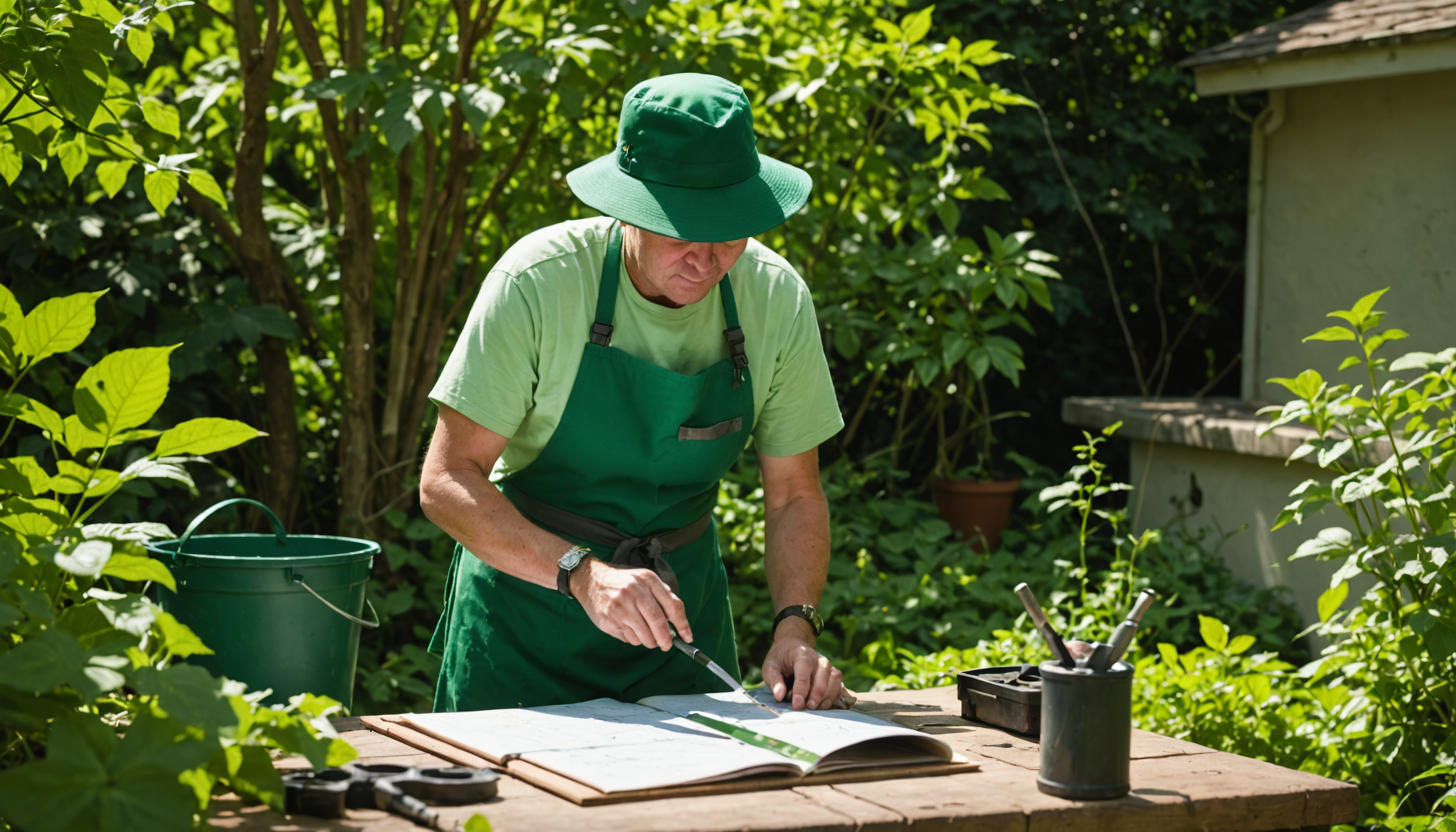 Vertical gardening is an excellent method to expand your garden upwards, effectively utilizing limited ground space while adding a layer of aesthetic appeal. This strategy not only enhances spatial efficiency but also increases your garden’s overall productivity and visual interest. It’s particularly advantageous for urban environments and small yards where space is at a premium.
- Start by identifying vertical surfaces available for potential gardening installations. These can include fences, walls, trellises, or arches. Measure the height and length of these structures to understand the total area you can use for planting.
- Choose suitable plants for vertical gardening, considering their growth habits and light requirements. Opt for plants that naturally climb or trail, such as tomatoes, cucumbers, pole beans, peas, and various flowering vines. Herbs like mint, thyme, and basil are also excellent options for vertical setups.
- Select a vertical gardening system that aligns with your garden style and needs. Options range from simple DIY trellises made from recycled materials to sophisticated smart home systems that incorporate automated irrigation and sensors. The system you choose should be structurally sound and complement your garden renovation plans.
- Install your chosen vertical structure securely. Stability is crucial, especially as plants grow and mature. Ensure your setup is firmly anchored to withstand wind and other environmental factors. If using wall-mounted systems, check the wall’s integrity and choose appropriate fixtures and anchors.
- Plant your chosen greenery, ensuring each type is placed at the correct depth and distance from one another for optimal growth. When possible, implement a companion planting strategy to encourage beneficial symbiotic relationships between plant species.
- Regularly maintain your vertical garden by watering appropriately, particularly since vertical setups tend to dry faster than in-ground gardens. Consider using drip irrigation or other efficient watering systems to keep your plants hydrated with minimal effort.
- Fertilize as needed, using slow-release fertilizers to provide a continuous supply of nutrients. Monitor plant health regularly to identify any issues, such as pest infestations or nutrient deficiencies, and address these promptly.
- Embrace creativity in your vertical gardening project. Incorporate hanging planters, tiered shelves, or even living walls for a striking visual impact. Don’t shy away from experimenting with different plant combinations to see what works best in your space.
Vertical gardening not only allows you to expand your garden efficiently but also maximizes the utility of every available inch, turning unused areas into lush, productive spots. By exploring innovative tools and technologies, such as smart home systems, you can enhance the functionality of your vertical garden while contributing to sustainable gardening practices.
incorporate container plants
Incorporating container plants into your garden is an excellent way to expand your green space creatively and flexibly. This method suits both novice and experienced gardeners, offering various benefits that can transform limited spaces into lush environments. Containers come in a wide array of shapes, sizes, and materials, making them adaptable to any garden setup or design preference.
One of the primary advantages of using container plants is their portability. Whether you’re dealing with a patio, balcony, or small backyard, container plants can be easily rearranged to suit seasonal changes, shifts in sunlight, or a new garden renovation plan. This mobility allows you to experiment with different layouts and optimize plant health by ensuring they receive the appropriate amount of sunlight and shade. Additionally, moving containers means you can shield delicate plants from harsh weather conditions, such as excessive rain or frost.
Containers are particularly beneficial for managing soil quality and nutrient control. Unlike in-ground gardening, where soil can vary significantly, containers allow you to select the ideal soil mix for specific plant varieties. This precision leads to better plant growth and can significantly enhance your garden’s productivity. Moreover, container gardening reduces the risk of soil-borne diseases and pests, making it a healthier option for your plants.
By incorporating containers, you can also cultivate a wider range of plant species, including those not suited to your native soil or climate. This versatility enables you to grow exotic plants, vegetables, or herbs that you may not typically find in your region, broadening your gardening horizons and culinary options. Plus, container gardening is an ideal solution for trying out DIY projects, as you can repurpose various household items into creative and sustainable planting solutions.
For those interested in technology, integrating smart home solutions with container gardening can further enhance efficiency and ease of maintenance. Automated irrigation systems, soil moisture sensors, and even apps that monitor nutrient levels can be employed to ensure your plants are thriving without constant manual oversight. This modern approach not only saves time but also conserves water and nutrients, promoting sustainable gardening practices.
Adopting container plants also offers aesthetic benefits. Whether you’re aiming for a minimalist look with sleek, monochrome planters or a vibrant display with colorful pots, containers can be an integral part of your garden’s visual identity. They can be used to define paths, create focal points, or add structure and height to garden areas that lack depth or diversity.
Above all, container gardening grants you the flexibility to expand your garden vertically. Stackable planters and tiered arrangements allow you to make the most of even the smallest footprints, making this technique indispensable for urban gardeners or those with limited space.
By embracing container plants, you’re not just adding versatility and productivity to your garden; you’re also creating a dynamic and adaptable planting environment that evolves with your space, style, and gardening passion.
implement companion planting
Companion planting is a timeless strategy that involves pairing plants with complementary traits to enhance their growth, protect them from pests, and boost yield. By understanding the natural relationships between different plant species, you can cultivate a more robust and harmonious garden. The symbiotic relationships between plants often lead to improved nutrient uptake, more effective pest management, and overall healthier plant life.
Begin by identifying the primary plants in your garden and researching which companion plants would best support them. For example, pairing tomatoes with basil or carrots with onions can deter pests and promote growth due to their mutually beneficial characteristics. Not only do these combinations help ward off insects, but they can also enhance flavor. Basil is known to intensify the flavor of tomatoes when grown nearby, offering a delightful culinary benefit.
Moreover, some plants function well as natural insect repellents. Flowers like marigolds and nasturtiums release chemicals that deter a variety of common pests, thus protecting neighboring plants from potential damage. Similarly, aromatic herbs such as garlic and chives can drive away aphids and carrot fly, naturally safeguarding your vegetable beds.
Implementing companion planting also means considering the physical needs of each plant. Tall and climbing plants, like corn or sunflowers, can provide shade or structural support to their shorter counterparts. Beans, for instance, are known to fix nitrogen into the soil, which is beneficial for heavy feeders like broccoli.
For a productive garden renovation, use a companion planting chart as it can serve as a handy visual guide, simplifying the process of designing an efficient planting layout. Remember, experimenting with different plant combinations is part of the process, and it might take a few seasons to determine which companions thrive best together under your specific conditions.
To enhance success, consider incorporating DIY solutions and smart home technology into your garden. Low-cost sensors can monitor soil conditions and plant health, aligning well with a more hands-on companion planting approach. These technologies allow you to track how companion planting influences growth dynamics and make necessary adjustments, offering a modern twist on this ancient gardening technique.
In embracing companion planting, you’re not just expanding the diversity of your garden; you are initiating a more sustainable and self-reliant ecosystem. This method aligns perfectly with an eco-friendly garden expansion strategy, making every plant work cohesively towards a flourishing and resilient green space.
explore hydroponic systems
Hydroponic systems offer an innovative and efficient way to expand your garden, particularly if you are limited in terms of traditional gardening space. Unlike traditional soil-based gardening, hydroponics involves growing plants in a nutrient-rich, water-based solution, using a variety of methods to support plant roots. This technique allows for precise control over growing conditions and can significantly boost plant growth and yield, making it a favorite among both hobbyists and professional growers.
To begin incorporating hydroponic systems, first decide on the type of system that best suits your space and gardening goals. Options range from simple wick setups to more complex systems such as nutrient film technique (NFT), deep water culture (DWC), and aeroponics. Each system has its own advantages, like ease of maintenance or maximized nutrient absorption, allowing you to tailor your setup based on your level of expertise and available resources.
Once you’ve chosen your hydroponic system, select plants that thrive in a hydroponic environment. Leafy greens such as lettuce, spinach, and herbs are excellent choices for beginners, while more experienced gardeners might opt for tomatoes, cucumbers, or strawberries. These plants typically have shorter growing cycles and can yield multiple harvests within a year, offering high productivity within a compact setup.
Setting up a hydroponic system may seem daunting at first, but with DIY kits available on the market, the process can be simplified to match your skill level. By using these kits, you can eliminate some of the initial complexities and enjoy the convenience of moving towards a more automated gardening solution. Consider integrating smart home technology to further enhance your system’s efficiency. Automated nutrient delivery, pH monitors, and light timers can optimize plant conditions with minimal manual intervention, making it easier to maintain your garden for busy schedules or expansive growth goals.
Moreover, hydroponics is incredibly beneficial in terms of water conservation, using up to 90% less water than traditional soil gardening. This makes it an excellent choice for environmentally conscious gardeners seeking sustainable methods. The closed systems utilized in hydroponics also reduce the need for pesticides, as the controlled environment naturally diminishes pest risks.
Your hydroponic garden can be set up indoors or outdoors, depending on available space and climate conditions. Building vertical hydroponic towers or wall-mounted systems can also help maximize limited space, allowing you to transform even the smallest area into a productive and thriving garden. With a little creativity and technological integration, hydroponics offers a new realm of possibilities for garden expansion and renovation, paving the way for a future of smart gardening.
—
In conclusion, expanding your garden doesn’t just involve increasing its size—it’s about creatively optimizing and maximizing what you already have. From assessing available space to leveraging innovative techniques like companion planting and hydroponics, each step provides opportunities to enhance productivity, aesthetics, and sustainability. Whether through vertical gardening, container plants, or modern technology, there are countless ways to cultivate a flourishing green space tailored to your unique desires and constraints. Embrace these strategies to create a dynamic, diverse, and thriving garden that adapts to seasonal changes, personal preferences, and environmental considerations.