Choosing the right plants for your garden is a fundamental step in creating a thriving and sustainable outdoor space. It’s not just about picking your favorite flowers or vegetables; it’s about understanding the environmental conditions of your garden and aligning your choices with them to ensure plant success and reduced maintenance efforts. This precision in selection is crucial not only for aesthetics but also for the long-term health and safety of your green space.
First and foremost, consider your garden’s climate and your USDA Hardiness Zone. Each plant has a specific range of zones in which it can survive. Select plants that are well-suited to your local climate, as they will require less intervention, lower maintenance, and are more likely to thrive naturally. For those living in hotter climates, consider drought-resistant varieties like succulents and certain perennial flowers that can withstand extended periods without water.
Assess the amount of sunlight different areas of your garden receive throughout the day. Some plants need full sun, while others prefer partial shade or full shade. For instance, roses generally require a great deal of sunlight to flourish, whereas many varieties of ferns and hostas thrive in shaded areas, making them ideal candidates for those less sunny spots in your garden.
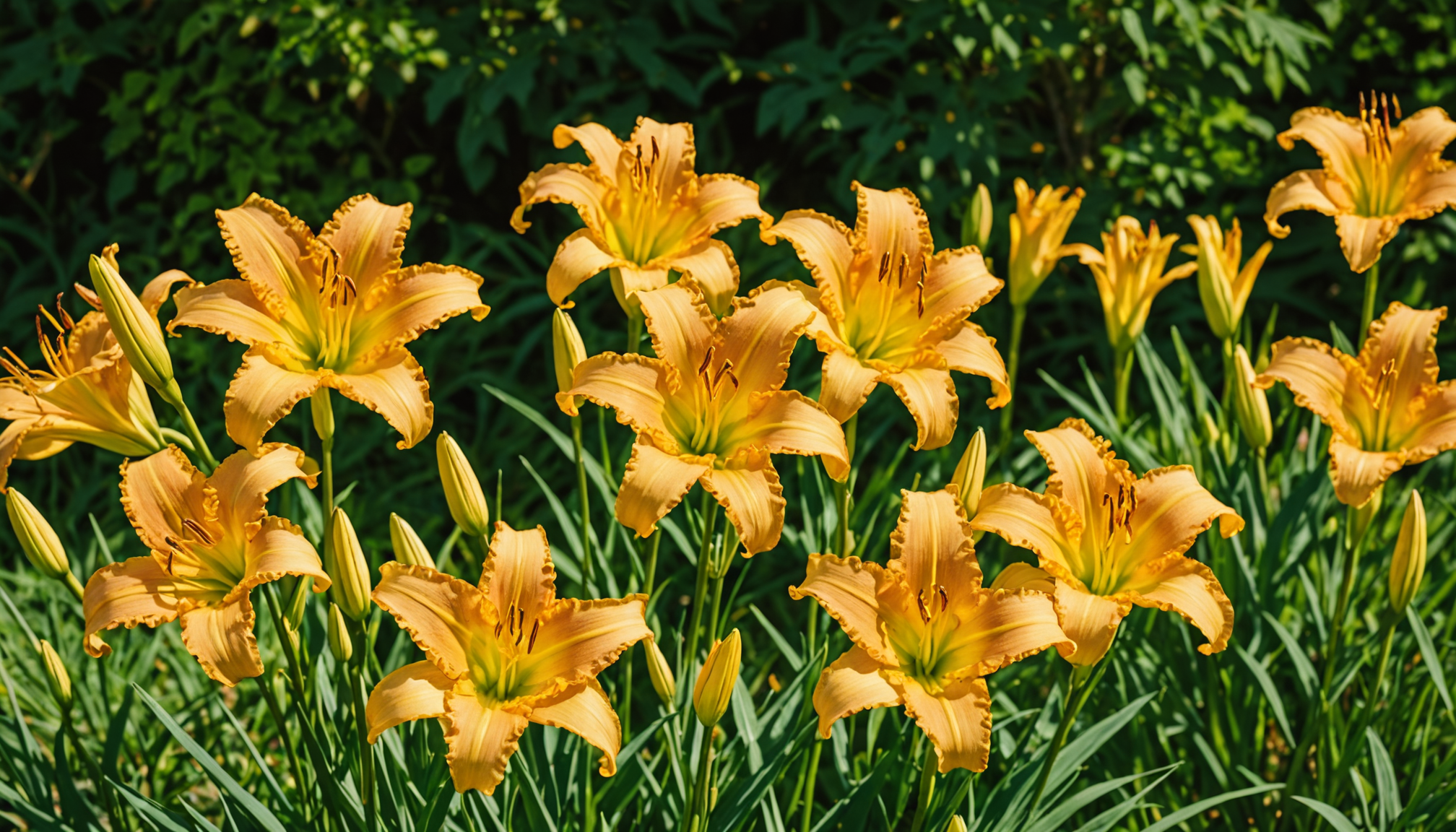
- Full Sun Plants: Tomatoes, Lavenders, Daylilies
- Partial Shade: Hydrangeas, Ferns, Astilbes
- Full Shade: Hostas, Liriope, Japanese Forest Grass
It’s also crucial to understand the soil conditions of your garden, as soil type can greatly influence plant choice. Conduct a soil test to determine its pH level and nutrient content. Some plants prefer acidic soils, while others thrive in alkaline conditions. Matching plant needs with soil conditions can mean the difference between robust plant health and a struggle for survival.
| Plant Type | Soil Preference | Typical Maintenance |
| Azaleas | Acidic | Moderate |
| Lavenders | Well-drained alkaline | Minimal |
| Vegetables (e.g., Carrots) | Loamy | Varies based on type |
Beyond environmental conditions, consider the growth habits and potential size of the plants over time. Understanding the mature size of plants helps avoid overcrowding, which can lead to increased maintenance and compromise plant health. Strategic spacing is vital, reducing the need for excessive pruning, thus maintaining an effective safety parameter around your garden paths and structures.
Finally, choose a mix of plants that bloom and bear fruit at different times during the growing season. This provides continual interest and color in your garden while also supporting local wildlife, from pollinators like bees and butterflies to various bird species.
By thoroughly evaluating these factors, you can create a garden that is not only beautiful but easier to maintain, requiring thoughtful rather than intensive maintenance, and fostering a dynamic ecosystem that thrives with minimal human intervention.
understand your soil
 Understanding your soil is a critical aspect of garden maintenance and plays a significant role in the overall health and productivity of your plants. Through careful evaluation, you can ascertain the kind of soil you have and the amendments it may need. This important step minimizes future plant care issues and ensures a thriving garden environment. Here’s a step-by-step guide to getting to know your soil better:
1. Conduct a Soil Test:
– Purchase a DIY soil test kit from your local garden center, or send a sample to a professional lab for a more comprehensive analysis.
– Follow the instructions to test for essential soil properties, including pH level, nutrient composition, and texture.
– Pay special attention to the pH level, as this determines nutrient availability. Many garden plants prefer a slightly acidic to neutral pH (6.0-7.0), but specific preferences can vary.
2. Determine Soil Texture:
– Perform a simple sedimentation test at home. Fill a jar with soil, add water, shake it thoroughly, and let it settle overnight.
– The components will separate into layers: sand at the bottom, silt in the middle, and clay at the top.
– Recognizing your texture type—sandy, loamy, or clay—allows you to adjust your plant selection accordingly and manage water drainage effectively.
3. Assess Water Retention and Drainage:
– Monitor how quickly water drains from your soil. Dig a small hole, fill it with water, and time how long it takes to drain.
– If it drains too quickly, you have sandy soil, leading to inadequate water retention. Conversely, slow drainage indicates a higher clay content.
– Adjust these properties by incorporating organic matter like compost to improve water-holding capacity and drainage.
4. Analyze Nutrient Levels:
– Look for key nutrients, including nitrogen (N), phosphorus (P), and potassium (K), essential for plant growth.
– A soil test will provide specific recommendations to balance your soil nutrients. Follow these guidelines to apply fertilizers appropriately, avoiding over-fertilization, which can harm plants and local ecosystems.
5. Modify As Needed:
– Apply lime to raise pH or sulfur to lower it, following test results and recommendations. Always remember the safety of your garden by wearing gloves and using the correct dosage.
– Regular application of compost and organic matter enriches soil life, providing a steady nutrient supply and fostering a balanced ecosystem.
6. Rotate Crops:
– If you’re cultivating vegetables, practice crop rotation annually. This minimizes nutrient depletion and disrupts pest and disease cycles, ensuring vigorous plant health and reduced maintenance.
7. Observe and Adapt:
– Keep track of your garden’s performance throughout the seasons. Note any patterns of underperformance or pest issues, which can often be traced back to soil conditions.
– Make adjustments as necessary, and consider professional advice for persistent problems, ensuring sustainable soil health and longevity.
By giving due attention and care to understanding your soil, you can tailor your gardening practices to create an optimal growing environment. This foundational knowledge supports not only plant health and strong growth but also enhances maintenance practices, making garden care a manageable and rewarding endeavor.
stay on a watering schedule
Watering your garden properly is one of the most crucial aspects of garden maintenance and can significantly impact plant health and growth. Maintaining a consistent watering schedule is essential for ensuring that your plants receive the optimal amount of moisture needed for healthy growth, thereby reducing stress and susceptibility to diseases. A well-maintained watering routine not only promotes robust plant health but also contributes to the overall safety of your garden environment by minimizing water waste and soil erosion.
Consistent watering helps plants establish strong root systems, which are vital for absorbing nutrients from the soil efficiently. When plants are properly hydrated, they are better equipped to withstand environmental stresses, such as heat waves or cold snaps, allowing them to flourish across seasons. It’s important to recognize that both under-watering and over-watering can jeopardize plant safety. Under-watering can lead to wilting and nutrient deficiencies, while over-watering can cause root rot and attract pests, creating maintenance challenges.
To establish a successful watering schedule, first consider the unique needs of each plant species within your garden. Some plants, like succulents and Mediterranean herbs, thrive with less frequent watering thanks to their drought-resistant characteristics. Conversely, vegetable gardens and delicate flowering plants often require more regular watering to support their intense growth cycles and nutrient demands.
Understanding the specific requirements of your garden helps in determining the frequency and quantity of water needed:
1. Morning Watering: Watering in the early hours minimizes evaporation, providing adequate hydration throughout the day. It also prevents fungal diseases, which thrive in moist conditions prevalent during nighttime watering.
2. Deep Watering Technique: Ensure water reaches the roots effectively by watering deeply and slowly. This encourages deep root growth and reduces the need for frequent watering, enhancing plant resilience and minimizing maintenance efforts.
3. Adjust for Weather Conditions: Pay attention to the weather forecast, as natural precipitation can supplement your watering schedule, reducing the need for manual watering. During extended dry spells, consider increasing your watering frequency and quantities to compensate for the lack of rainfall.
4. Use Efficient Irrigation Tools: Invest in drip irrigation systems or soaker hoses which deliver water directly to the plant roots, minimizing wastage and ensuring even distribution. Incorporating these devices contributes to water conservation and can be a time-saving addition to your garden maintenance plan.
5. Evaluate Soil Moisture: Periodically check your soil moisture levels. A simple soil moisture meter can provide insights into the hydration status of your garden, guiding you in making informed watering adjustments.
By adhering to a well-structured watering routine, you empower your plants to thrive naturally with minimal intervention. This commitment to consistent care not only nurtures beautiful, healthy plants but also embodies sustainable gardening practices by conserving water resources and reducing unnecessary stress on your garden system.
keep weeds in check
One of the most persistent challenges in maintaining a garden is managing the growth of weeds. These uninvited guests not only compete with your plants for nutrients, water, and sunlight but can also compromise the aesthetic appeal and safety of your garden. A proactive approach is essential to keeping weeds in check, ensuring that your garden remains a thriving and orderly paradise.
Regular maintenance is your first line of defense against weed proliferation. Regularly inspect your garden beds and pathways, removing weeds before they have the opportunity to seed and spread. Hand-pulling is often the most direct method for removing weeds, especially for those that are young and haven’t yet set deep roots. Use a small hand trowel or a weeding tool to ensure you get the root out entirely, as breaking off a weed at the surface can often lead to regrowth.
Investing in mulching is another powerful tool in your weed-fighting repertoire. Apply a thick layer of organic mulch, such as bark chips, shredded leaves, or straw, around your plants. Mulch not only helps retain soil moisture and regulate temperature but also suppresses weed growth by blocking sunlight. Be sure the mulch is kept away from the stems of plants to prevent rot.
For those seeking an even more robust strategy, consider landscape fabric as an additional barrier beneath your mulch. This material acts as a physical barrier, hindering weed growth while still allowing water and nutrients to penetrate the soil. However, regular checks are necessary to ensure that weeds do not find their way around the edges of your fabric.
Persistent weeds may require spot treatment with natural weed control products. Opt for those that are biodegradable and environmentally friendly, ensuring the safety of beneficial insects and the surrounding ecosystem. Homemade solutions, such as vinegar-based sprays, can also be effective in targeting stubborn weeds without relying on harsh chemicals.
Furthermore, consider planting ground cover plants in areas prone to weeds. These low-growing plants spread quickly, shading the soil and making it difficult for weeds to establish a foothold. Ground covers such as creeping thyme, clover, or sweet alyssum can add beauty to your garden while serving as functional weed deterrents.
By integrating these practices into your garden care routine, weed management becomes a manageable aspect of overall garden maintenance. Keeping weeds in check not only protects your plants and their access to necessary resources but also contributes to a safer, more aesthetically pleasing outdoor space. As you continue to nurture your garden, remember that diligence in weed control is a key part of sustaining its beauty and integrity throughout the growing season.
promote healthy growth
To foster healthy growth in your garden, a focus on providing the right conditions for your plants is essential. Much like any living organism, plants require specific nutrients and care to flourish, and creating an environment that promotes vitality is a key component of effective garden maintenance. One of the most critical elements in this endeavor is maintaining a balanced nutrient profile through regular fertilization. It’s important to match the type of fertilizer to the specific needs of your plants, whether that’s a general-purpose mix for vegetables and flowers or specialized blends for shrubs and evergreens. Organic fertilizers such as compost, fish emulsion, or aged manure not only supply essential nutrients but also enhance soil structure and microbial activity, creating a healthy ecosystem within your garden.
Another aspect of promoting healthy growth is regular pruning and deadheading. Pruning not only shapes plants, contributing to the garden’s aesthetic appeal, but also encourages new growth, enhances air circulation, and improves the overall health and safety of plants by removing dead or diseased branches. Deadheading spent flowers is also a beneficial practice, as it redirects the plant’s energy towards root and foliage development rather than seed production, thus sustaining the vibrancy of your blooms throughout the growing season.
Encouraging biodiversity within your garden is also a smart strategy to promote healthy growth. By planting a variety of species, you attract a range of beneficial insects and pollinators. These creatures play vital roles in controlling pest populations, reducing your reliance on chemical interventions, and ensuring your garden’s environmental safety. Additionally, companion planting can deter harmful pests and enhance nutrient uptake for some plants, such as marigolds set among vegetables or herbs like basil and chives.
Finally, remember that maintaining a steady balance of light exposure is integral to healthy plant development. Monitor shading and sun patterns across your garden, making adjustments where necessary to ensure plants receive their required amount of sunlight. For instance, relocating pot-bound plants or strategically installing garden structures can optimize light for optimal photosynthesis, adding to the overall health and vitality of your garden.
Incorporating these techniques into your garden care routine not only benefits plant growth but also minimizes maintenance efforts, creating a picturesque and flourishing outdoor space rife with life and beauty. By focusing on these critical areas, you nurture an environment that allows your garden to thrive, ensuring both its immediate charm and long-term sustainability.
In conclusion, a successful garden thrives on thoughtful selection, careful planning, and regular maintenance. By choosing the right plants, understanding your soil, staying on a watering schedule, keeping weeds in check, and promoting healthy growth, you can create a vibrant and sustainable garden environment. These practices not only enhance your garden’s aesthetic value and productivity but also ensure its environmental safety and resilience, providing an enjoyable space for both relaxation and inspiration for years to come.