Determining whether your roof needs a replacement requires a thorough assessment of its current state. Not only will this evaluation allow you to foresee potential pitfalls, but it also aids in making informed decisions that can enhance your home’s security and potentially boost its resale value.
The first step in assessing your roof is to conduct a visual inspection, both from the inside and outside of your home. Inside, check for water damage, such as stains or mold on the ceilings, which could indicate leaks. Outside, look for missing, cracked, or curled shingles, all of which suggest that your roof may be nearing the end of its lifespan. Additionally, pay attention to any granules from the shingles accumulating in your gutter, as this is a sign of wear and tear.
If you’re evaluating the roof’s condition from a resale perspective, it’s crucial to assess not just the functional integrity but also the aesthetic appeal. A well-maintained roof can significantly improve curb appeal, capturing potential buyers’ interest even before they enter the home. On the other hand, a neglected roof might turn buyers away or decrease the resale value dramatically.
It’s also essential to inspect the roof’s flashing, which are the metal pieces installed on the roof’s joints and edges to prevent water seepage. Damaged flashing can lead to severe water infiltration and should be promptly addressed. Similarly, evaluate the state of your soffits and fascia boards, which play a critical role in supporting the roof structure and preventing moisture damage.
- Check for sagging areas, which could point to structural damage, a more severe issue requiring immediate professional intervention.
- Evaluate the ventilation system. Proper airflow in attic spaces is vital to prevent moisture build-up, which could compromise the integrity of your roof.
Once the physical examination is complete, consider the age of your roof. Most asphalt shingle roofs last between 20 to 30 years, so if your roof is within this age range and shows multiple signs of deterioration, replacement might be the most viable option.
For a more detailed analysis, consider professional roof inspections. These experts can employ advanced tools such as drones and infrared cameras to detect issues beyond the surface level. They can also leverage smart home technology to provide high-resolution imagery and data analytics, offering a comprehensive overview of your roof’s health.
| Assessment Criteria | What to Look For | Action Recommended |
| Shingles | Missing, cracked, or curled | Repair or replace affected areas |
| Leaks & Water Damage | Stains on ceiling, mold | Inspect and address water infiltration |
| Flashing | Damaged or rusted | Replace flashing |
| Soffits & Fascia | Rotten or discolored wood | Repair or replace as needed |
| Ventilation | Inadequate airflow | Install or upgrade ventilation system |
A meticulous assessment of your roof enhances security, prolongs its lifespan, and ensures that any investment, whether in repairs or replacements, optimally safeguards your home and its resale value.
choosing the right materials
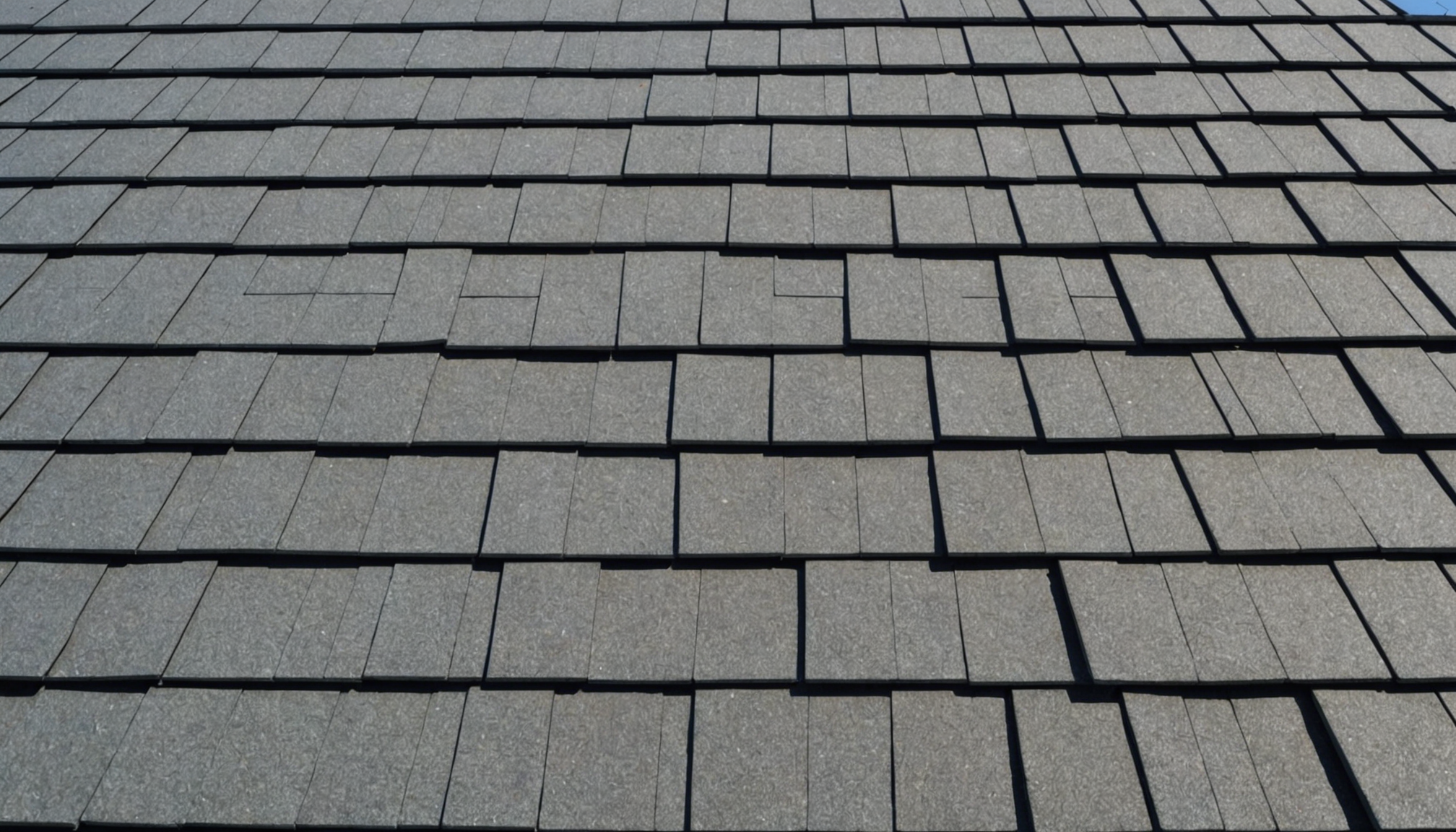 When it comes to replacing your roof, selecting the right materials is as crucial as the preliminary assessment of its condition. The choice of materials not only affects the overall aesthetic and performance but can also influence the home’s resale value and security. Here’s how to go about making the right choice:
1. Understand Your Options:
– Asphalt Shingles: These are the most popular choice due to their affordability and ease of installation. They come in a variety of colors and styles, offering sufficient protection and a lifespan of 20-30 years.
– Metal Roofing: Known for durability and sustainability, metal roofs can last 40-70 years. They’re energy-efficient, reflecting solar heat and reducing cooling costs, particularly appealing for smart home enthusiasts.
– Tile Roofing: Made from clay or concrete, tiles are robust and add a distinctive look to any home, although they require a sturdy structural design to support their weight.
– Wood Shingles or Shakes: Offering a natural appearance, wood shingles are aesthetically pleasing and can complement various architectural styles. However, they demand significant maintenance and are less fire-resistant.
– Slate Roofing: The pinnacle of longevity and style, slate offers unparalleled durability with a lifespan that can exceed 100 years. It enhances a home’s resale value considerably but can be expensive.
2. Consider Local Climate:
– Climate profoundly impacts the kind of roofing material you choose. For example, homes in areas prone to high winds or hurricanes might benefit from metal or slate due to their resilience.
– For regions with extreme temperatures, consider materials that provide added insulation or reflective properties like metal or cool roofing technology.
3. Evaluate Cost vs. Lifespan:
– Although initial costs can vary significantly between materials, it’s important to consider long-term benefits, including potential savings on energy bills and maintenance. A higher initial investment in materials like metal or slate might offer greater security and savings over time.
4. Aesthetic Appeal and Architectural Style:
– Choose materials that complement the existing style of your home. Ensure the new roof enhances curb appeal without clashing with the architecture, which is crucial for maximizing resale value.
5. Research Warranties and Guarantees:
– Investigate manufacturer and installer warranties, which can greatly influence your decision. A robust warranty offers peace of mind and added protection against unexpected repairs or replacements.
6. Environmental Impact and Sustainability:
– Opt for materials that are sustainably sourced or recyclable. Metal roofs, for instance, are often made from recycled materials and are fully recyclable at the end of their lifespan.
7. Consult a Professional:
– Before making a final decision, consult with roofing professionals who can provide insights tailored to your specific house structure and preferences. Professionals can offer recommendations based on extensive experience and knowledge of the latest smart home technologies and materials that might benefit from your particular setup.
Selecting the right roofing materials requires careful consideration and planning, taking into account budget, climate, aesthetics, and sustainability. By following these guidelines, you ensure not only an investment in your home’s security and longevity but potentially enhance its resale value as well.
hiring professional contractors
When embarking on the journey to replace your roof, hiring a professional contractor is pivotal to ensuring a seamless process and a successful outcome. While a tempting DIY project might appear to save money at first glance, the complexities and risks involved in roofing underline the importance of professional expertise. Here are pivotal reasons why securing the services of a skilled contractor is essential:
Firstly, professional contractors bring a wealth of experience and expertise that is invaluable, especially when dealing with unforeseen issues that might arise during the roof replacement. Their background allows them to accurately diagnose problems, select appropriate materials, and implement solutions that ensure the long-term resilience and durability of your new roof.
Moreover, contractors are well-versed in local building codes and regulations. Compliance with these standards is crucial not just for the safety and security of your home but also to enhance its resale value—non-compliance can lead to fines and complications when selling your property. Contractors simplify this process, ensuring that your project adheres to the necessary codes while meeting the highest quality standards.
Safety is another critical factor. Roofing involves working at height and poses significant risks, including falls and injuries. Licensed contractors are equipped with proper training and safety gear, drastically reducing these hazards. They also carry insurance to protect both their workers and your property, offering you peace of mind knowing that any potential issues are covered.
Importantly, the quality of the materials and the craftsmanship involved in roof replacement can significantly affect the performance and longevity of your roof. Professional contractors have access to high-grade materials and can offer options that best fit your unique needs and the climatic demands of your location. Their expertise not only ensures that you get superior materials but also that these materials are installed correctly for maximum efficiency and security.
Contractors often provide warranties on both their workmanship and the materials used. This warranty is a testament to their confidence in the quality of their service and offers you additional protection. Should issues arise post-installation, a reliable contractor will honor their warranty and address the problem promptly, saving you both time and money in the long run.
Finally, engaging a professional contractor positions you to benefit from the latest smart home technologies. As roofing increasingly integrates with intelligent systems, such as energy-efficient solar roofs or advanced insulation, contractors with experience in smart home solutions can advise and install such systems, further enhancing your home’s energy efficiency and value.
When it comes to replacing one of the most critical features of your home, investing in a professional contractor is not just about practicality; it’s about ensuring a return on investment through safety, enhanced resale potential, and peace of mind.
diy roof replacement steps
If you’re ready to tackle your own roof replacement, the following steps will guide you through the process with clarity and precision. Remember, while DIY projects can be rewarding, they demand rigorous adherence to safety and quality practices to ensure the roof offers the security and longevity that enhances your home’s resale value.
Start by gathering all necessary materials and tools, which typically include a ladder, roofing nails, a nail gun, safety harnesses, shingles, roofing tar paper, and a utility knife. It’s essential to ensure all safety gear is properly set up before beginning any work on your roof. Safety harnesses and stable ladders are critical to prevent serious accidents while working at heights.
The first step in the physical part of the replacement is to remove the existing roofing materials. This process involves stripping away the old shingles, which should be done carefully to avoid damaging the roof deck beneath. Use a roofing shovel or a similar tool to pry up the shingles efficiently. Make sure to also remove any old nails or debris to start with a clean surface.
Next, inspect the roof deck for any signs of damage. Damaged or rotten areas must be replaced to ensure the strength and integrity of the new roof. This inspection also offers a chance to improve the insulation and ventilation, vital components for maintaining the roof’s performance and energy efficiency in a smart home.
Once the deck is prepared, lay down the roofing underlayment. This layer acts as a secondary barrier against moisture and is crucial for preventing leaks. Roll out the underlayment along the length of the roof, securing it with nails driven through the roofing tar paper into the deck.
After the underlayment is securely in place, it’s time to install the new shingles. Begin from the bottom edge, working your way up to ensure proper overlap and water run-off. Follow the specific installation pattern recommended for the shingle style you selected. Accurate installation is key to prevent water infiltration and maximize the energy efficiency that enhances both convenience and the potential resale value of your home.
Pay particular attention to the flashing around chimneys, vents, and the edges of the roof. These areas are prone to leaks if not properly sealed, so take extra care to ensure a tight, waterproof fit.
Upon completion of the shingle installation, conduct a thorough inspection to ensure every element is securely fastened and aligned. Double-check the flashing, ridge vents, and seals, looking for any potential points where water might seep through. Additionally, clean up any residual debris from the worksite to avoid clogging gutters or downspouts, which are essential to the overall roof system.
While DIY roof replacement can be cost-effective and give a sense of accomplishment, it’s not without its challenges. Always keep in mind that if you’re uncertain about any part of the process, consulting with professional contractors can offer tailored advice, ensuring your roof not only meets but surpasses all necessary safety and efficiency standards. By taking these steps seriously, you’re investing in both the security and the resale value of your home, potentially reaping benefits far beyond the initial effort.
post-replacement maintenance tips
Once your new roof is in place, maintaining it becomes essential to ensure it lasts its expected lifespan and retains its ability to protect your home. Proper post-replacement maintenance will not only enhance the security and functionality of your roof but also maintain or even increase the resale value of your property. Here’s how you can effectively care for your roof after a replacement:
Regular inspections are key. Schedule routine checks to spot potential problems early, such as loose shingles, debris buildup, or signs of water damage. It’s advisable to conduct these inspections twice a year, preferably during spring and fall, to prepare for the harsher weather conditions usually experienced in summer and winter. If inspections reveal issues that could compromise the structural integrity or security of your roof, address them promptly to avoid costly repairs down the line.
Clean your gutters regularly. Gutters should be clear of leaves, twigs, and any other debris that could cause water backups and potential roof damage. Clogged gutters can lead to water overflow, which may cause leaks or rot in your roof’s edge areas. Installing gutter guards can help minimize the entry of debris and reduce maintenance time.
Trim nearby trees. Overhanging branches can scratch and damage your roofing materials, especially during high winds. Falling branches pose a significant threat to your roof, and leaves can contribute to moisture buildup, promoting mold and rot. Keeping tree branches trimmed back from the roof will protect your investment and enhance home security.
Address moss and algae promptly. These growths can trap moisture against the roof, leading to deterioration. If you notice moss or algae forming, clean it off using a gentle solution designed for roofs, avoiding pressure washing which can damage the roofing materials. To prevent future growth, consider installing zinc or copper strips that naturally combat moss and mildew.
Ensure proper attic ventilation. A well-ventilated attic prevents heat and moisture buildup, which can warp or blister shingles and reduce the lifespan and efficiency of your roof. Ventilation plays a crucial role in maintaining a smart home by balancing temperatures and improving energy efficiency. Inspect your attic periodically to ensure vents are functioning correctly.
Repair damaged shingles promptly. Even minor damage like a cracked or missing shingle can lead to larger issues if left unchecked. Replace damaged shingles quickly to maintain the protective barrier of your roof and its visual appeal, crucial for preserving your home’s resale value.
Finally, consider professional maintenance services annually to conduct more thorough inspections and maintenance processes that may not be feasible on your own. Skilled professionals can identify issues that might not be visible to the untrained eye, preventing a small problem from evolving into a significant repair or security concern.
With diligent care and proactive maintenance, your roof can continue to protect your home effectively while you enjoy peace of mind, knowing you’re securing your investment in your property’s future resale value and overall performance.
In conclusion, whether you’re replacing your roof by hiring a professional or opting for a DIY approach, understanding each phase—from assessment and material selection to post-replacement maintenance—ensures every step contributes to the resilience and security of your home. Each element of this process is vital in crafting a roof that not only withstands the elements but also enhances the aesthetics, functionality, and resale value of your property. An informed and careful approach to roof replacement is an investment in the longevity, safety, and market appeal of your home.