When it comes to revamping your bedroom space, selecting the ideal color palette is one of the most transformative decisions you can make. The colors you choose not only affect the aesthetic appeal of the room but also influence mood, energy levels, and even your overall enjoyment of the space. With a few strategic choices, you can refresh your bedroom to become a personal sanctuary that reflects your personality while harmonizing with the broader scheme of your home improvement goals.
The first step in choosing a color palette is to consider the mood you want to establish. Colors are proven to evoke emotional responses, so it’s essential to align the hues you select with how you want to feel when you enter the room. While soft blues and greens can foster a serene environment ideal for relaxation, vibrant colors like yellows and oranges might invigorate the spirit, making them suitable if you aim to enhance energy levels in your morning routine.
A crucial consideration is the existing décor and furnishings in your bedroom. Harmonizing the color palette with existing elements ensures a cohesive look. For instance, if your furniture is predominantly wooden with warm undertones, you might opt for analogous colors such as creams and browns, which create a streamlined and sophisticated appearance.
When selecting a color scheme, understand the different types of color palettes:
- Monochromatic: Utilizing variations of a single hue, a monochromatic palette is sleek and modern, emphasizing a unified feel throughout the bedroom space.
- Analogous: This approach uses colors that are adjacent on the color wheel, offering a subtle and harmonious balance. It’s ideal for those seeking an understated elegance.
- Complementary: By choosing colors opposite each other on the color wheel, complementary palettes provide a vibrant contrast, ideal for making a bold statement.
| Palette Type | Characteristics | Best For |
| Monochromatic | Cohesive, serene, modern | Creating calm, unified spaces |
| Analogous | Harmonious, subtle transition | Understated elegance and warmth |
| Complementary | Vibrant, bold contrast | Mood-boosting, dynamic impressions |
Beyond just aesthetics, consider how your color choices might relate to broader themes of energy savings and family dynamics. Lighter colors often reflect more light, reducing the need for artificial lighting and thus supporting energy conservation. Additionally, involving family members in the selection process can turn this home improvement project into a collaborative venture, ensuring that the final result pleases everyone’s sensibilities.
Choosing the right color palette sets the tone for your refreshed bedroom, aligning it with your lifestyle aspirations and practical needs. By investing thoughtful consideration into your color decisions, you create a bedroom space that is not only visually appealing but also a deeply personal and energizing environment.
Maximizing comfort with furniture choices
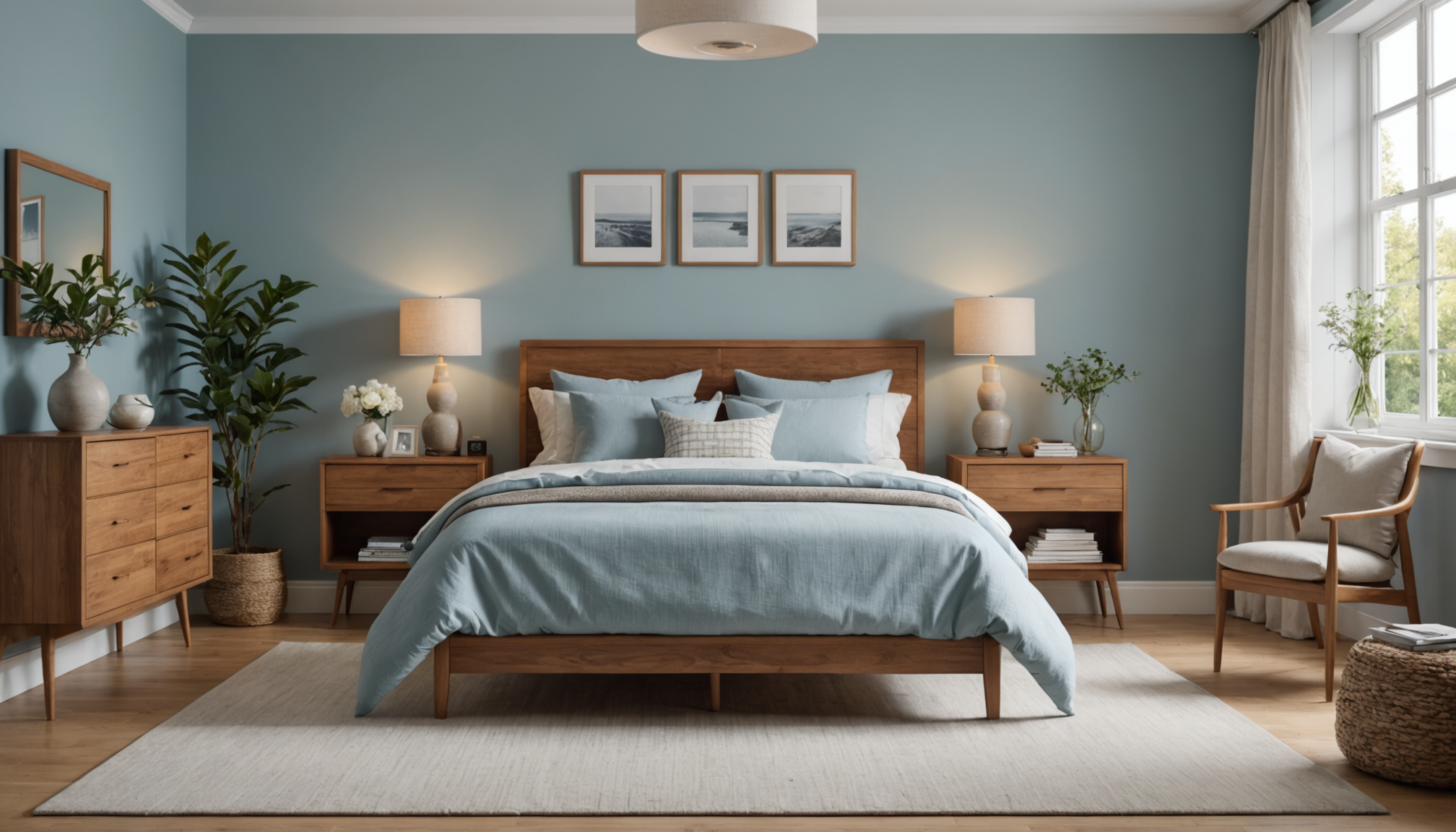 To create an oasis of comfort in your bedroom, furniture plays a pivotal role. Whether you’re starting fresh or rearranging existing pieces, a few thoughtful selections and placements can drastically improve the comfort and functionality of your space. Here’s how to maximize comfort with your furniture choices:
- Assess Your Space: Start by evaluating the size and shape of your bedroom. Understanding your room’s dimensions will help you select appropriately sized furniture that doesn’t overcrowd your space. A small room might benefit from multifunctional furniture, while a larger area might handle bulkier pieces.
- Select the Right Bed: The bed is the focal point of any bedroom, and comfort should guide your choice. Consider these key aspects:
- Size: Choose a size that fits your room comfortably – be it a twin, queen, or king. Ensure there’s enough clearance space around the bed for ease of movement.
- Mattress: Invest in a mattress that supports your sleeping habits, whether you prefer firm support or plush comfort. Consider materials that promote cool sleeping, such as gel-infused memory foam, which can result in energy savings by reducing the need for such cooling aids as fans or air conditioning.
- Headboard: Opt for a soft, padded headboard if you enjoy reading or working in bed, providing ergonomic support and enhancing relaxation.
- Choose Complementary Storage Solutions: Incorporating functional storage does not mean compromising aesthetics. Consider these options:
- Nightstands: Have bedside tables that offer both surface area for essentials and drawers for additional storage. Matching or contrasting with the bed frame can lend cohesion to your room.
- Dressers: If the space permits, a dresser that matches your bed frame can provide ample storage and an additional surface for decorative elements or a TV.
- Under-Bed Storage: Use this often-overlooked area with storage bins or a bed frame with built-in drawers to keep seasonal items out of sight but easily accessible.
- Incorporate Seating for Leisure: If space allows, a seating area can elevate your bedroom’s comfort level:
- Accent Chair or Bench: Add a comfy chair or bench at the foot of the bed. This serves as a spot to read, put on shoes, or simply relax.
- Window Seat: If your bedroom features a bay window, use it as a cozy seating nook, providing extra functionality and visual appeal.
- Maintain Flow and Accessibility: Arrange your furniture to maintain smooth traffic flow throughout your bedroom. Ensure there’s adequate space to walk around and access doors, drawers, and closets without obstruction.
- Personalize with Comfort Accents: Once the main furniture elements are in place, layer with accents that enhance comfort:
- Rugs: Introduce area rugs to add warmth and softness underfoot, particularly in areas with hard flooring.
- Pillows and Throws: Decorate with plush pillows and cozy throws to add texture and comfort to seating areas or the bed.
Using these strategies, your bedroom transforms into a haven of comfort and relaxation, improving your overall home improvement efforts and offering a touch of personalized coziness for you and your family to enjoy.
Incorporating textures for a cozy feel
To truly envelop your bedroom in a cozy embrace, it’s essential to explore the richness that different textures can bring to your space. Textures introduce depth and nuance, adding warmth that elevates the sensory appeal of the room. By layering diverse materials, you create an inviting environment where each element offers a tactile experience.
Begin by selecting soft textiles for your bed, the central piece in any bedroom. Opt for sheets and pillowcases crafted from natural materials like cotton or linen, as these are breathable and tender against the skin, which enhances the sleeping experience. To further boost coziness, consider adding a layered approach with a variety of pillows and throws. Textured fabrics such as a chunky knit throw or velvet cushions bring a rich and inviting feel, not only providing warmth but also serving as visually comforting accents against simpler backgrounds.
Floors offer another opportunity to introduce texture. If your room has hardwood or tile flooring, a plush area rug can transform the feel entirely, making your bedroom appear more inviting while also providing practical warmth underfoot. Choose a high-pile rug for luxury or a textured flat-weave for a more understated charm. These additions can help with energy savings by insulating the room and potentially reducing the need for excessive heating in cooler months.
Curtains or drapes present a further canvas for texture. Heavy drapery can offer a touch of sophistication, lending gravity to the room’s decor while also doubling as a tool to block out light for better sleep. Alternatively, the light, airy quality of sheer curtains can soften sunlight, gently diffusing brightness to create a serene ambiance within the room.
Don’t overlook the potential tactile impact of wall textures, often an unexpected realm for transformation in a bedroom refresh. Consider a textured paint or wallpaper to add an intriguing depth. If you prefer a more DIY approach, a wall arrangement with mixed media art can give dimension and personality that reflects your unique style, turning a plain wall into a statement piece that enhances the room’s character.
Leveraging various textures not only heightens the physical comfort of your bedroom but also supports a visual depth that contributes to an enveloping sense of tranquility. In tandem with other elements such as color and furnishings, the strategic use of textures can vastly improve your home improvement endeavors, making your bedroom an intimate retreat that feels both modern and timeless, comfortably enveloping your family in everyday luxury.
Enhancing ambiance with lighting techniques
To elevate your bedroom from ordinary to extraordinary, don’t underestimate the transformative power of lighting. Effective lighting can enhance mood, highlight design elements, and create a welcoming ambiance, all of which contribute to a comfortable and visually stunning space.
Begin by considering the different types of lighting and how they serve distinct purposes in your bedroom. Ambient lighting provides overall illumination, ensuring the room is brightly lit for general activities. This can be achieved with ceiling fixtures such as chandeliers, pendant lights, or recessed lighting. For a modern twist, consider adjustable LED lights, which not only offer flexibility in brightness and color temperature but also contribute to energy savings.
Layering your lighting is crucial for achieving a balanced and dynamic space. Task lighting is essential for specific activities like reading or working. Bedside lamps or wall-mounted sconces beside the bed are ideal, providing focused light without disturbing others. If you prefer a clutter-free nightstand, opt for pendant lights hung above each side of the bed. These not only serve practical needs but also add a touch of elegance to your refresh.
Accent lighting plays a vital role in highlighting the room’s architectural features or decor. LED strips behind headboards or within shelving units can create a warm glow, accentuating your room’s features while contributing to the overall ambiance. Picture lights or spotlights can also draw attention to artwork or family photographs, personalizing the space further.
Natural light shouldn’t be overlooked in your lighting strategy. Daylight has the unique ability to refresh the room and positively impact mood. Maximize natural light by using sheer curtains or blinds, allowing natural light to flood the room while still ensuring privacy. Mirror placements can also enhance natural light by reflecting it deeper into the room, making space feel larger and more inviting.
Consider installing dimmer switches for versatility. These give you control over the intensity of your lighting, enabling you to adjust the brightness to suit different moods and activities—be it a softly lit, intimate evening or a brightly illuminated morning routine. Smart lighting systems add convenience, allowing you to control the lights remotely and even set schedules to align with your daily rhythm.
Finally, choosing energy-efficient light bulbs such as LEDs can contribute to both environmental sustainability and energy savings, aligning with broader home improvement goals. The right lighting not only complements the design of your bedroom but also contributes significantly to its functionality and coziness, crafting a space that feels warm and inviting for your family as they unwind in this personal retreat.
Organizing for a clutter-free space
A clutter-free bedroom is not only a dream escape but also a significant step towards refreshing both your living space and mental clarity. By approaching organization with intention, you’ll find that your bedroom transforms into a tranquil oasis, promoting relaxation and efficiency.
Start by decluttering thoroughly. Assess every item in the room, from clothing to decor, asking whether each piece contributes to the peaceful and inviting atmosphere you envision. Donate, recycle, or throw away items that no longer serve a purposeful role or reflect your current style. This not only frees up physical space but also mental space, reducing stress and improving your overall mood.
Once you’ve decluttered, focus on maximizing vertical space, especially in smaller bedrooms. Utilize wall-mounted shelves and high-reaching bookcases to store items without encroaching on floor space. This creates room for a more open, breathable layout. Consider over-the-door organizers for shoes or accessories, providing an accessible yet discreet storage option.
Implement storage solutions like under-bed drawers and closet systems. Opt for furniture with dual functions, such as beds with built-in storage drawers, which allow for efficient organization without sacrificing style or space. Clear containers and drawer dividers help categorize items, making it easy to find what you need and maintain neatness easily.
Strategically organize your closet to maximize space. Arrange clothes seasonally, keeping frequently worn items at eye level and storing out-of-season garments higher up. Utilize matching hangers for a uniform look that minimizes visual clutter. Clothes dividers can make sections clear, and labeled bins for accessories can streamline getting ready each day.
To complement these organizational strategies, maintain surface areas meticulously. Nightstands and dressers should serve as havens for a limited number of essential items; trays or small boxes can help keep essentials like charging cables or remotes neatly within reach but out of plain sight. Regular tidying up and returning items to their designated homes is crucial in keeping your bedroom orderly over time.
Plan your space thoughtfully to ensure easy movement and accessibility. Organize furnishings to facilitate flow and maintain open pathways. This extends to the visual flow in the room—neutral tones and minimalist decor can enhance the sense of open space, contributing to an overall mood of relaxation and ease.
Embracing a clutter-free lifestyle does more than just improve your bedroom’s aesthetic appeal; it supports energy savings by eliminating the excessive need for additional heating, cooling, or lighting adjustments often necessitated by cramped spaces. This efficient use of resources also upholds broader family and home improvement goals, turning your newly refreshed bedroom into a personal retreat that fosters peace and rejuvenation every day.
In conclusion, refreshing your bedroom is an empowering way to reinvent your personal space, aligning it with both aesthetic desires and practical needs. By mindfully selecting a color palette, optimizing furniture for comfort, weaving in diverse textures, enhancing with strategic lighting, and maintaining an organized environment, you create a sanctuary that promises relaxation and rejuvenation. This holistic approach not only elevates your bedroom’s design but also transforms it into a versatile retreat that serves as an energy-efficient, clutter-free haven. As you continue your home improvement journey, remember that these thoughtful changes contribute to a harmonious atmosphere, enhancing the quality of restful moments shared within your family sanctuary.